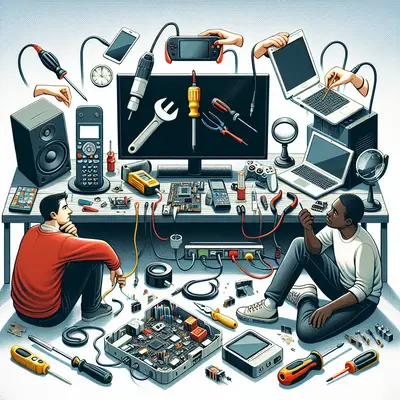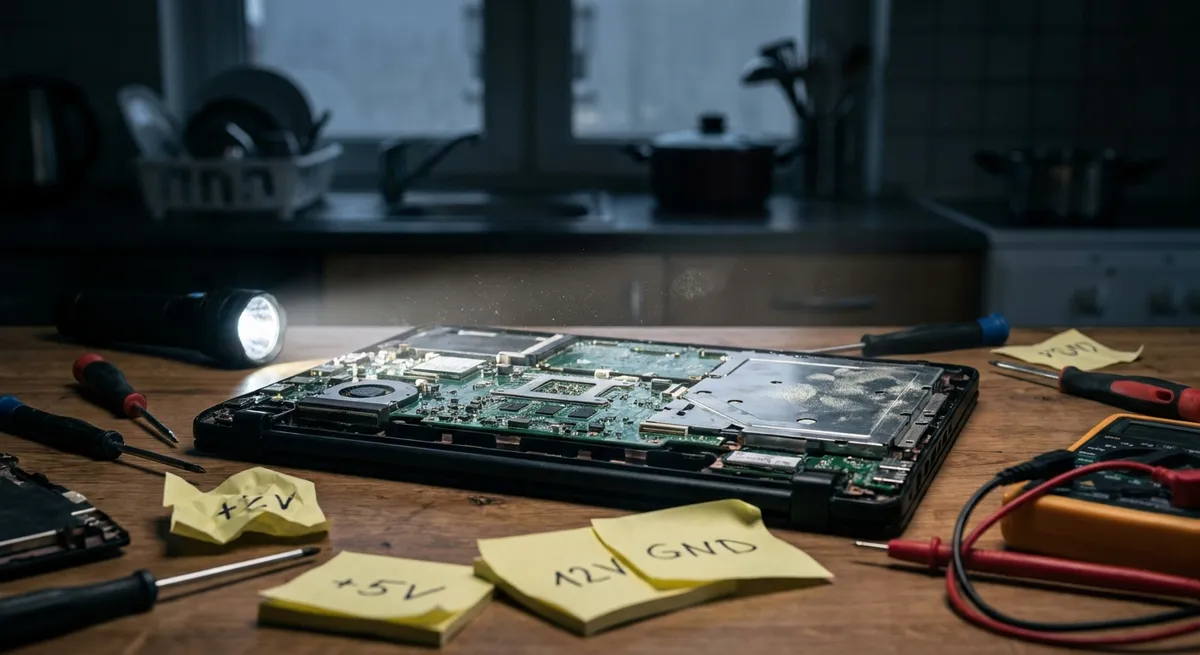
When a device suddenly refuses to power up, panic sets in fast—especially if it’s your phone, laptop, TV, or game console. But many “dead” electronics aren’t actually dead; they’re stuck behind simple, fixable issues. This guide walks you through five practical, step‑by‑step checks you can do at home before paying for repairs or replacing your gear.
Start With Power Basics: Cables, Outlets, and Adapters
Power issues are the most common (and most overlooked) reason electronics won’t turn on. Before assuming something is broken inside, rule out the basics.
Test the outlet first
- Plug in a device you know works (like a lamp or phone charger). - If that device doesn’t power on, try another outlet on a different wall or room. - For outlets controlled by a wall switch, make sure the switch is ON.
Inspect the power cable and adapter
- Look for cuts, kinks, crushed spots, burn marks, or a loose plug. - Gently wiggle the plug where it connects to the device—if power cuts in and out, that cable is suspect. - If your device uses a detachable power brick, make sure all sections are fully clicked together.
Try a compatible replacement cable or adapter
- Use a known-good cable with the correct voltage and connector type. - For USB‑C or micro‑USB devices, test with a cable that successfully charges another device. - If a different cable solves the problem, stop using the old one immediately.
Check power strips and surge protectors
- Make sure the strip’s power switch is ON and any reset/breaker button is not tripped. - Unplug everything from the strip, then plug in just the problem device. - If the strip smells burnt, feels unusually hot, or pops when turned on, retire it.
Look for charging indicators (for phones, tablets, laptops)
- Leave the device plugged in for at least 15–20 minutes before trying to turn it on. - Watch for LED indicators, charging icons, or a vibration when you press the power button. - No lights and no signs of life after a known-good charger? Move to deeper troubleshooting.
Reset the Device: Forced Restarts and Power Drains
Many modern electronics get “stuck” in a frozen state that looks like a dead device. A proper reset often revives them without tools or parts.
Forced restart for phones and tablets
(Check your exact model online, but these patterns are common.) - iPhone (Face ID models): 1) Quickly press and release Volume Up 2) Quickly press and release Volume Down 3) Press and hold the Side button until the Apple logo appears. - Android (most devices): - Press and hold Power + Volume Down for 10–20 seconds until it restarts. - If nothing happens, plug in to charge for 20 minutes, then try again.
Laptop hard reset (Windows and many Chromebooks)
- Unplug the power adapter. - If the battery is removable, take it out. - Hold the power button down for 15–30 seconds to fully discharge residual power. - Reinstall the battery (if removed), plug in the charger, and press power again. - For laptops with an internal battery, just disconnect power and do the 15–30 second power-button hold.
Smart TV or streaming device power reset
- Unplug the TV or device from the wall outlet. - Press and hold the power button on the TV (not the remote) for 10–15 seconds if accessible. - Leave it unplugged for at least 60 seconds (2–5 minutes is even better). - Plug it back in and try turning it on again.
- Game console power cycle (PlayStation, Xbox, etc.)
- Turn off the console (if it appears on at all).
- Unplug the power cable from both the console and the wall.
- Wait at least 60 seconds.
- Plug directly into a wall outlet, bypassing surge protectors temporarily.
- Press and hold the power button until you see a startup logo or hear a system beep.
Battery reset for wireless accessories (headphones, controllers)
- Charge the device for at least 30 minutes using a known-good cable and adapter. - For controllers with removable batteries, take the batteries out for 1–2 minutes, then reinstall or replace them. - For earbuds, ensure they’re firmly seated in the case and that the case itself is being charged.
Stop Overheating Shutdowns: Cooling and Vent Cleaning
Many devices shut themselves off to prevent damage from heat. If your electronics power off randomly and then won’t turn back on immediately, overheating is a strong suspect.
Feel the device and its surroundings
- If it’s hot to the touch or sits in a closed cabinet, heat may be the culprit. - Move it to a hard, flat surface with good airflow (avoid beds, blankets, and carpets).
Power down and unplug before cleaning
- Turn the device off completely, not just sleep or standby. - Unplug from power and disconnect external accessories.
Clean vents and fans carefully
- Use a can of compressed air held upright. - Blow short bursts into vents and fan openings from several angles. - Keep the fan from overspinning by briefly blocking it with a toothpick or cotton swab if visible. - Do not use a vacuum directly on ports—it can create static.
Remove dust from external surfaces
- Wipe vents and grills with a dry, lint‑free cloth. - Avoid liquid cleaners around ports; if necessary, slightly dampen a cloth with water only and keep it away from openings.
Improve long‑term airflow
- For laptops, use a stand or prop the rear slightly to improve air intake. - For game consoles and desktops, keep at least a few inches of space around all sides. - Avoid stacking other electronics on top of hot‑running devices like receivers or consoles.
Test after cooling
- Let the device sit powered off for 15–30 minutes to cool fully. - Plug it back in and turn it on. - If it starts, monitor for loud fan noise, hot surfaces, or sudden shutdowns—signs you may need professional internal cleaning or thermal paste servicing.
Fix No‑Picture or No‑Sound Issues on “Working” Devices
Sometimes the device is actually on, but you see a black screen or hear no audio and assume it’s dead. These signal issues are often fixable in minutes.
Confirm the device is truly on
- Look for LED indicators, fan noise, or faint light from the screen in a dark room. - Press Caps Lock on laptops and check if the indicator light toggles on/off.
Check input sources on TVs and monitors
- Use the TV/monitor remote or buttons to cycle through HDMI/AV inputs. - Make sure the device (console, streaming stick, PC) is powered on when you test each input. - Try a different HDMI or display cable if the screen flickers or stays black.
Adjust brightness and display settings
- On laptops, use brightness keys (often F‑keys with sun icons). - For monitors and TVs, open the on‑screen menu to confirm brightness, contrast, and backlight aren’t at zero. - For PCs, try connecting to a different display to rule out GPU or cable failures.
Resolve “no sound” problems
- Check volume on the device and on the TV, monitor, or speaker. - Confirm that “mute” is off. - In your device’s audio settings, ensure the correct output (HDMI, headphones, speakers) is selected. - Try a different audio cable or Bluetooth speaker/headphones if possible.
Disconnect extra accessories
- Remove unnecessary USB hubs, docks, audio receivers, and adapters. - Connect the device directly to the display or speakers with a single cable. - This reduces potential failure points and makes it easier to spot the problem.
Reset display or audio settings if needed
- Many devices have a “reset settings” or “restore defaults” option for video and audio. - Use this if you suspect a configuration issue but can still access menus.
When to Stop DIY: Warning Signs You Need a Pro
Not every “won’t turn on” problem is safe or practical to fix at home. Knowing when to stop saves time, money, and potential damage.
Look and smell for electrical damage
- Burnt smell, scorch marks, or melted plastic near ports, buttons, or power connectors are red flags. - Repeated breaker trips or sparks when plugging in point to wiring or serious internal faults. - Unplug immediately and do not continue testing that device.
Check for liquid exposure or corrosion
- Sticky residue, discoloration, or white/green corrosion around ports suggests liquid damage. - For phones and laptops, internal liquid indicators may have changed color (often visible in SIM trays or ports). - Turn off, disconnect power, and avoid charging—a repair shop should handle further steps.
Watch for swollen batteries
- Signs: bulging case, screen lifting away from the frame, device rocking on a flat table instead of lying flat. - Do not puncture, compress, or continue using the device. - Place it on a nonflammable surface and contact a professional repair service or manufacturer support.
Stop if you must force parts apart
- If opening a device requires excessive force, prying, or cutting, you risk permanent damage or injury. - Many modern electronics are glued and sealed; a shop with proper tools and guides is safer.
Use warranty and manufacturer support
- If your device is still under warranty, open a support ticket before opening the case yourself. - Unauthorized disassembly can void coverage on many products. - Even out-of-warranty devices sometimes qualify for recall or extended repair programs.
Document what you’ve tried
- List the outlets, cables, and reset steps you tested. - This helps technicians diagnose faster and may reduce labor time and cost. - Bring original chargers and cables to the appointment when possible.
Conclusion
Most “dead” electronics are suffering from fixable power, reset, heat, or signal issues—not catastrophic failures. By methodically checking outlets and cables, performing proper restarts, clearing dust, and verifying display and sound settings, you can often revive devices without a service call. When you see signs of electrical damage, liquid exposure, or battery swelling, that’s your cue to stop and hand it over to a professional. Take it one step at a time, rule out the simple causes first, and you’ll avoid unnecessary replacements and rushed purchases.
Sources
- U.S. Consumer Product Safety Commission – Fire and Electric Shock Hazards - Guidance on recognizing and avoiding electrical hazards in consumer products
- Apple Support – If your iPhone, iPad, or iPod touch won’t turn on or is frozen - Official forced‑restart and power troubleshooting steps for Apple mobile devices
- Microsoft Support – Troubleshoot blue screen and black screen errors - Diagnostic steps for Windows devices with display and startup issues
- Samsung – Mobile Device Power and Charging Troubleshooting - Manufacturer advice for power, charging, and basic resets on Samsung phones and tablets
- Harvard University – Computer Maintenance Tips - Best practices on cleaning, ventilation, and basic care to prevent overheating and hardware issues
Key Takeaway
The most important thing to remember from this article is that this information can change how you think about Electronics.