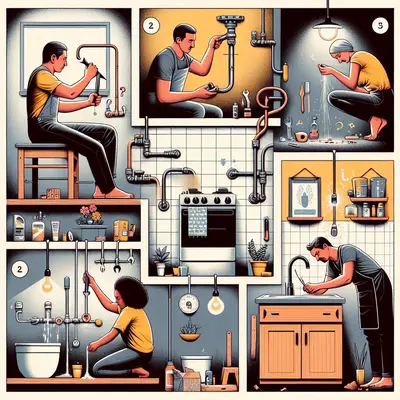
Small problems around the house rarely stay small. A slow drip becomes a stained ceiling, a tiny draft becomes a big energy bill, and a wobbly chair becomes a safety hazard. The good news: you can handle a lot of these yourself with basic tools, clear steps, and a little patience.
This guide walks you through five common household problems with practical, step-by-step solutions you can actually finish today.
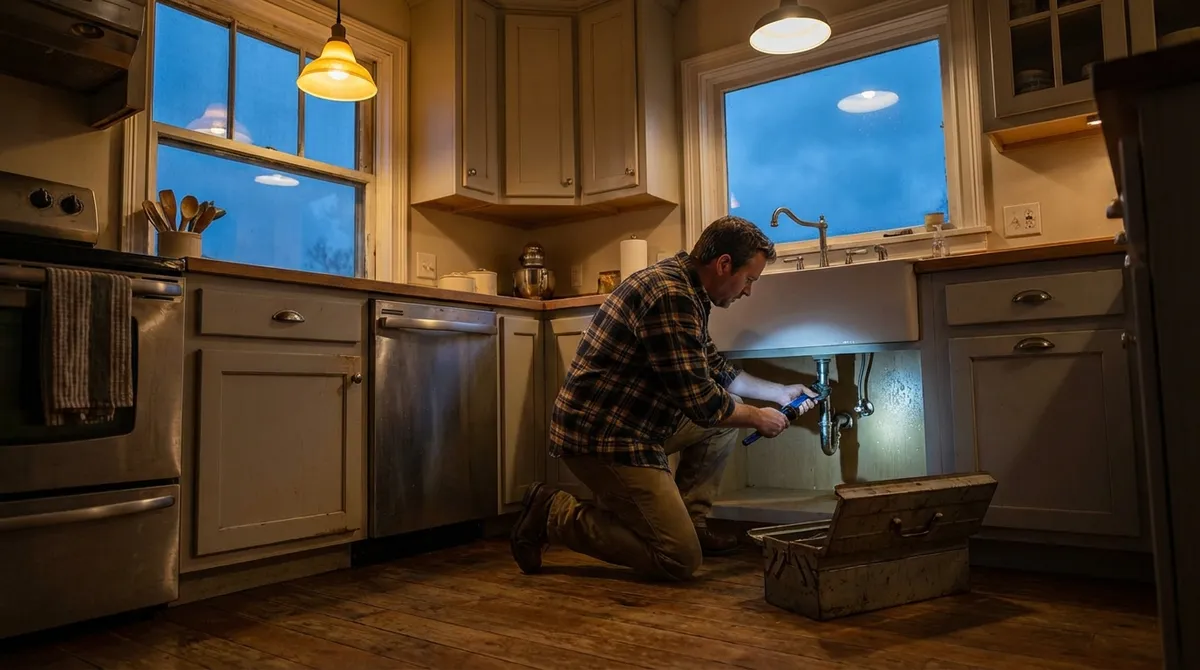
1. Fixing a Dripping Faucet (Without Replacing the Whole Thing)
A dripping faucet wastes water, drives up your bill, and is just plain annoying. The fix usually comes down to a worn-out cartridge or washer—both are simple to replace.
What you’ll need:
Adjustable wrench, screwdriver, replacement cartridge or washer (match to brand/model), plumber’s tape (optional), towel.
Steps:
Shut off the water supply
Look under the sink for two valves (hot and cold). Turn both clockwise until they stop. Open the faucet to release any remaining water.
Plug the drain
Use a sink stopper or a rag. This keeps screws and small parts from disappearing down the drain.
Remove the handle
- Look for a small cap or screw on the handle (often hidden under a decorative plug). - Pop off the cap with a flathead screwdriver or your fingernail. - Unscrew the handle screw and gently pull off the handle.
Access and remove the cartridge or stem
- You’ll see a retaining nut or clip holding the cartridge/stem in place. - Use an adjustable wrench or pliers to loosen it. - Pull the cartridge straight up. If it’s stuck, wiggle gently—don’t twist hard or you may damage it.
Match and replace the part
- Take the old cartridge or stem to a hardware store to find an exact replacement (brand and model matter). - Install the new part in the same orientation as the old one. - Reinstall the retaining nut/clip and tighten snugly (not overly tight).
Reassemble the faucet
Put the handle back on, screw it in, and replace the decorative cap if there was one.
Turn the water back on and test
Open the shutoff valves slowly. Turn on the faucet and then turn it off. Check for drips at the spout and around the base. If there’s a small leak at a threaded connection, you may need to redo it with a bit of plumber’s tape.
2. Stopping a Running Toilet That Won’t Quiet Down
A constantly running toilet can waste hundreds of gallons of water a day. The cause is usually in the tank: the flapper, chain, or fill valve.
What you’ll need:
New flapper (and possibly fill valve kit), adjustable wrench, towel.
Steps:
Remove the tank lid and observe
Flush the toilet and watch what happens inside: - Does the flapper not seal properly? - Is the water level too high and spilling into the overflow tube? - Is the chain too tight or tangled?
Check and adjust the chain
The chain from the handle to the flapper should have a bit of slack. - If it’s too tight, the flapper can’t close fully. - Move the clip down a few links so the flapper can sit flat.
Inspect and replace the flapper if needed
- Turn off the water supply valve at the wall (clockwise). - Flush to drain most of the water. - Unclip the old flapper from the overflow tube and remove it from the chain. - Install the new flapper (follow package directions). - Turn the water back on and test a few flushes to ensure it seals.
Adjust the water level
- If water keeps flowing into the overflow tube, the water level is too high. - For float-cup valves: Squeeze the clip on the float and slide it down slightly. - For float-ball valves: Gently bend the float arm down so the valve shuts off earlier. Aim for a water level about 1 inch below the top of the overflow tube.
Replace the fill valve if it’s still running
- If adjusting doesn’t help and the valve never fully shuts off, replace the fill valve (kits are inexpensive and include instructions). - Turn off water, drain tank, unscrew the supply line under the tank, and remove the old valve. - Install new valve, set initial height per instructions, reconnect, and test.
3. Patching a Small Wall Hole So It Disappears
From door handles to picture hooks, drywall takes a beating. Small to medium holes can be patched cleanly without calling a pro.
What you’ll need:
Spackle or joint compound, putty knife, sandpaper (120–220 grit), primer, matching paint, damp cloth. For larger holes: self-adhesive wall repair patch.
Steps (for nail/screw holes and small dents):
Clean the area
Wipe away dust or loose debris with a damp cloth. Let dry.
Apply spackle
- Use a putty knife to press spackle into the hole. - Scrape off excess, smoothing the surface so it’s level with the wall. - For deeper holes, build up in two thin layers rather than one thick blob.
Let it dry completely
Follow the product instructions—usually 30 minutes to a few hours.
Sand smooth
- Lightly sand with fine-grit sandpaper until the patch feels smooth and flush. - Wipe away dust with a dry or slightly damp cloth.
Prime and paint
- Apply a small amount of primer over the patch (this prevents flashing where the patch shows through). - Once dry, paint over the area with matching wall paint, feathering the edges for a seamless look.
Steps (for larger holes, about the size of a doorknob):
Use a wall repair patch
- Choose a self-adhesive metal or fiberglass patch slightly larger than the hole. - Stick it centered over the damaged area.
Apply joint compound
- Spread compound over the patch with a putty knife, extending a couple inches beyond the edges. - Smooth as flat as possible.
Dry, sand, and repeat if needed
- Let dry completely. - Sand smooth and apply a second thin coat to blend edges. - Sand again when dry until the transition is invisible to the touch.
Prime and paint
Same as above: prime first, then paint to match.
4. Sealing a Drafty Window to Cut Energy Loss
Drafty windows don’t just feel uncomfortable—they can noticeably raise heating and cooling costs. You can improve comfort fast with a combination of seals and caulk.
What you’ll need:
Weatherstripping tape or foam, silicone or acrylic-latex caulk, caulk gun, utility knife, cleaning cloth, optional window insulation film kit.
Steps:
Find the draft
On a windy day or with the HVAC running, slowly move your hand around the window edges. You can also hold a lit incense stick or candle (carefully) and watch for flickering smoke near gaps.
Clean the surfaces
- Wipe the window frame and sill to remove dust, dirt, and old flaky caulk. - Let everything dry thoroughly.
Apply weatherstripping to movable parts
- Use adhesive-backed foam or V-strip weatherstripping along the sides and top of the sash where it meets the frame. - Cut to length with a utility knife and press firmly in place. - Make sure the window still opens and closes without too much resistance.
Caulk the fixed gaps
- Use caulk along the exterior or interior edges where the trim meets the wall or frame, and where the frame meets the sill if you see gaps. - Cut the caulk tube tip at a 45-degree angle for better control. - Apply a steady, thin bead and smooth it with a wet finger or caulk tool.
Add insulation film for extra protection (optional)
- In colder seasons, apply a clear window insulation film kit from the inside. - Follow kit instructions: apply double-sided tape around the frame, stick the film, and use a hair dryer to shrink it tight and clear.
Re-check for drafts
Once everything is dry, test again with your hand or incense. Adjust or add more weatherstripping where you still feel air movement.
5. Re-Balancing a Wobbly Chair So It’s Safe Again
A wobbly chair is more than annoying—it’s a tipping hazard. Often, the problem is loose joints, worn screw holes, or uneven legs. You can usually fix it with glue, clamps, and a bit of tightening.
What you’ll need:
Wood glue, clamps or strong tape/strap, screwdriver or Allen key, wood filler or toothpicks and glue (for loose screw holes), sandpaper, level (optional).
Steps:
Identify the source of the wobble
- Place the chair on a flat, hard surface. - Gently rock it and watch which leg lifts or which joint flexes. - Check all screws, bolts, and joints for movement.
Tighten existing fasteners
- Use a screwdriver or Allen key to snug all screws and bolts. - Don’t overtighten to the point of stripping the holes.
Reinforce loose joints with glue
- If a leg-to-seat or leg-to-rail joint moves, try to gently work it apart enough to get wood glue into the joint. - Apply glue inside the joint, then push the pieces back together.
Clamp while it dries
- Use clamps to hold the joint tight while the glue cures (check the glue label for cure time—usually several hours). - If you don’t have clamps, strong tape or a strap can work in a pinch; just make sure the joint is firmly pressed together.
Fix stripped screw holes
- If a screw spins in place and doesn’t tighten, remove it. - Fill the hole with wood glue and insert a couple of wooden toothpicks or a small wood sliver. - Let the glue set slightly, then break off the excess toothpick flush with the surface. - Reinsert the screw—now it should grip firmly.
Level uneven legs
- After everything is tight and dry, test the chair again. - If one leg is still slightly shorter, you can sand the other three legs very slightly to match, or add a small felt pad to the short leg to even it out.
Conclusion
Most household problems don’t need to turn into major projects or expensive service calls. With a few basic tools, the right steps, and a methodical approach, you can:
- Stop water waste from dripping faucets and running toilets
- Make your home more comfortable by sealing drafts
- Restore walls and furniture so they’re safe and presentable again
Start with the issue that bothers you the most, follow the steps carefully, and take your time. Each small repair you complete builds confidence—and turns your home into a place you can maintain on your own terms.
Sources
- [U.S. Environmental Protection Agency – Fix a Leak](https://www.epa.gov/watersense/fix-leak-week) - Explains how household leaks waste water and offers basic guidance on finding and fixing them
- [Energy.gov – Air Sealing Your Home](https://www.energy.gov/energysaver/weatherize/air-sealing-your-home) - Government-backed advice on spotting and sealing drafts around windows and doors
- [Family Handyman – How to Fix Leaky Faucets](https://www.familyhandyman.com/project/how-to-fix-a-dripping-or-leaky-single-handle-faucet/) - Practical walkthroughs for repairing different faucet styles
- [The Spruce – How to Patch and Repair Drywall](https://www.thespruce.com/patch-and-repair-drywall-4588920) - Step-by-step guide for patching small and medium drywall holes
- [This Old House – How a Toilet Works & How to Fix One](https://www.thisoldhouse.com/doors-windows/21015110/how-a-toilet-works) - Clear explanation of toilet components and common repairs
Key Takeaway
The most important thing to remember from this article is that this information can change how you think about Household Repairs.