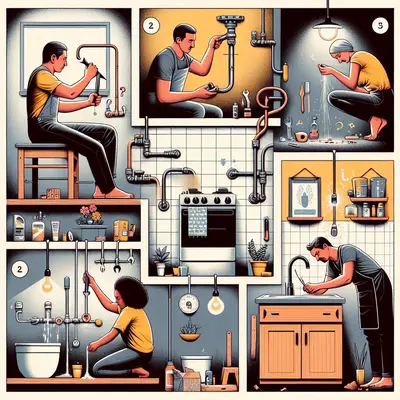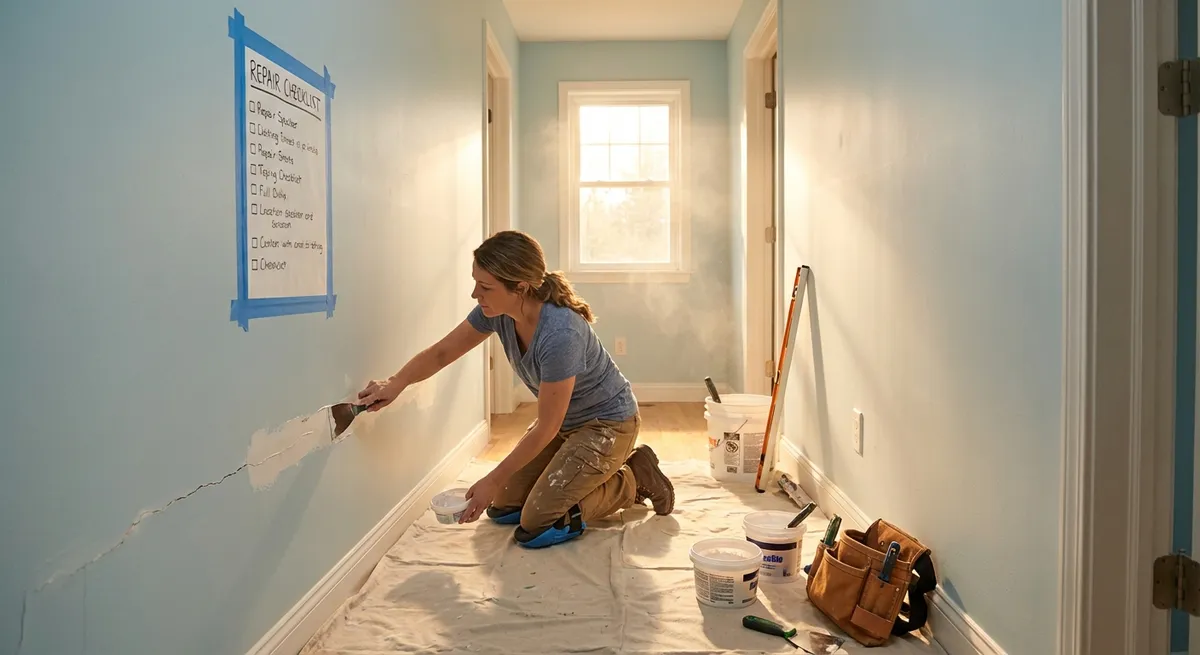
Household problems rarely arrive at a convenient time—a running toilet on a Sunday night, a dead outlet when you need to charge your laptop, or a door that suddenly won’t latch. Instead of waiting days for a pro (and paying emergency rates), you can safely handle many of these issues yourself with a little structure and the right steps. This guide walks you through five common home problems in a clear, practical way so you can keep your place comfortable, safe, and functional.
Stop a Running Toilet and Cut Water Waste
A constantly running toilet can waste hundreds of gallons of water a day and quietly inflate your utility bill. The good news: most causes are simple and fixable with basic tools.
Turn off the water and remove the tank lid
Locate the shutoff valve behind or below the toilet, turn it clockwise to close, then flush once to lower the water level. Remove the tank lid carefully and set it on a towel.
Check the flapper for wear or misalignment
The rubber flapper at the bottom of the tank should seal the drain opening. If it’s warped, brittle, or doesn’t sit flat, water leaks into the bowl and the fill valve keeps running. Gently press it down—if the running stops, you’ve found the culprit.
Adjust or replace the flapper
If the chain is too tight, it can hold the flapper open. Aim for a slight slack: about ½ inch when the flapper is closed. If the rubber is worn or cracked, take it to a hardware store and buy a matching replacement. Turn off water, unclip the old flapper from the overflow tube, clip on the new one, and reattach the chain.
Set the water level correctly
The water line should sit around the marked “fill line” in the tank or about 1 inch below the overflow tube. For float-cup valves, turn the adjustment screw on top; for float balls, gently bend the rod downward to lower the water level.
Turn water back on and test
Open the shutoff valve, let the tank fill, then watch and listen. The toilet should fill, stop, and stay quiet. Flush several times to be sure the flapper seals consistently and the fill valve shuts off properly.
Quiet a Squeaky Door Without Replacing Hardware
A squeaky door is annoying, but it’s also a simple mechanical issue: friction between the hinge pin and hinge leaves. You can often restore silent operation in minutes.
Identify which hinge is squeaking
Open and close the door slowly while listening. Place a finger lightly on each hinge—if you feel vibration as it squeaks, you’ve found the noisy one.
Protect the area
Lay down a towel or piece of cardboard under the hinge to catch any drips. This also protects flooring from oil or debris.
Loosen or remove the hinge pin
Using a flathead screwdriver and a hammer, gently tap up on the bottom of the hinge pin. For stubborn pins, tap from below with more force, but keep your other hand ready to catch the pin as it loosens. You can often just raise it partway for lubrication; full removal gives a better clean.
Clean off old grime and rust
Wipe the pin with a rag. If it’s rusty, use fine steel wool or a scrub pad to remove buildup. Wiping the inside of the hinge barrel with a cotton swab can remove dust and old grease.
Apply lubricant correctly
Use a silicone-based spray, dry Teflon lubricant, or a small amount of multipurpose oil. Coat the pin lightly, rotate it in a rag to spread the lubricant, then apply a bit inside the hinge barrel. Avoid heavy greases that can attract dust.
Reinstall and test the door
Tap the pin back into place from the top. Open and close the door several times to spread the lubricant evenly. If the squeak persists, repeat the process on the other hinges or add a bit more lubricant.
Restore Power to a Dead Outlet Safely
When an outlet stops working, it can be a minor nuisance—or a sign of a bigger electrical issue. Start with the safe, simple checks you can do yourself before calling an electrician.
Test the outlet with a different device
Plug in a known-good device like a lamp or phone charger. If it works elsewhere but not in this outlet, the outlet (or its circuit) is likely the issue.
Look for GFCI outlets on the same line
Kitchens, bathrooms, garages, and outdoor areas often use GFCI (ground-fault circuit interrupter) outlets. Find any nearby GFCIs and press the Reset button firmly. Then retest your dead outlet—many outlets are wired “downstream” of a GFCI.
Check the breaker panel
Go to your electrical panel and look for tripped breakers. A tripped breaker often sits between ON and OFF. Switch it fully to OFF, then back to ON. Label the breaker if you confirm it powers this outlet for future reference.
Inspect for signs of damage (without opening anything)
Look at the outlet cover: signs of burn marks, melting, a burning smell, or crackling sounds are serious. If you notice any of these, do not use the outlet—turn off the breaker and call a licensed electrician.
Tighten loose faceplates and retest
A loose cover doesn’t usually stop power, but it can hint at movement inside. With the breaker off, remove the faceplate and visually inspect. If anything looks charred, loose, or unusual, stop and contact a professional. Otherwise, reattach the cover, turn the breaker back on, and test again.
Know when to call an electrician
If GFCI and breaker resets don’t restore power, or the outlet repeatedly loses power, it could indicate wiring problems. Don’t open up electrical boxes or attempt rewiring unless you are trained and permitted by local codes—professional help is the safest move.
Fix a Loose Cabinet Door So It Closes Cleanly
Loose or sagging cabinet doors are more than cosmetic. Left unchecked, they stress hinges and screws and can lead to cracks or stripped holes. A simple realignment usually restores smooth operation.
Identify how the door is misaligned
Close the door and look closely at the gaps: Is it rubbing at the top or bottom? Too close to a neighboring door? Not staying closed? Note the direction it needs to move.
Tighten all visible screws first
Open the door and tighten the screws on the hinge plates attached to both the cabinet frame and the door. A regular screwdriver is better than a drill here—you’re less likely to over-tighten and strip the wood.
Use hinge adjustment screws (for European-style hinges)
Most modern concealed hinges have three adjustments: - Side-to-side (moves the door left/right) - In/out (moves the door closer/farther from the cabinet) - Up/down (on some hinge plates) Turn a screw slightly, close the door, check, and repeat slowly until the gap looks even.
Repair stripped screw holes when necessary
If a screw spins freely and won’t tighten, the wood is likely stripped. Remove the screw, fill the hole with wooden toothpicks dipped in wood glue (or a wood dowel slightly smaller than the hole), snap flush, let dry, and then drive the screw back in. This gives the screw fresh material to bite into.
Adjust door bumpers and latches
If the door slams, add or replace small rubber bumpers on the corners. If it won’t stay closed, inspect the magnetic latch or catch—realign or tighten it so it meets squarely when the door closes.
Do a final open-close test
Open and close the door several times, watching the gaps and listening for rubbing or clicking. Make small adjustments rather than big changes; fine-tuning is often all that’s needed.
Clear a Slow Bathroom Sink Drain Without Harsh Chemicals
A slow sink is usually caused by hair, soap scum, and toothpaste buildup—especially in bathroom drains. You can often clear it effectively without strong chemical drain cleaners that may harm pipes or finishes.
Remove the stopper or drain plug
Many modern sinks use a lift-rod style stopper. Look under the sink: loosen the nut holding the horizontal pivot rod in place, then pull the rod out slightly to release the stopper. Lift the stopper out from the top.
Manually clear visible debris
Wear disposable gloves. Remove hair and gunk around the stopper and just inside the drain opening. A small plastic drain cleaning tool or even a bent zip tie can help hook deeper clogs near the top of the pipe.
Flush with hot (not boiling) water
Run hot tap water for several minutes to help break down soap scum and rinse loose debris. Avoid pouring boiling water directly into porcelain sinks, which can crack with sudden temperature changes.
Use a baking soda and vinegar treatment (optional)
Pour about ½ cup baking soda into the drain, then add ½–1 cup white vinegar. Let it fizz for 10–15 minutes. Follow with plenty of hot water to flush the loosened material through the trap.
Check the P-trap if the blockage persists
Place a bucket under the curved P-trap pipe. Loosen the slip nuts by hand or with adjustable pliers, then remove the trap. Clear any debris inside and rinse with water before reinstalling. Make sure the washers are seated properly and hand-tighten the nuts snugly.
Reinstall the stopper and test the flow
Reinsert the stopper from above. Under the sink, slide the pivot rod back into the opening in the drain assembly so it catches the stopper’s hole, then tighten the retaining nut. Run water at full flow for a few minutes and confirm that it drains quickly and cleanly.
Conclusion
Small home problems tend to snowball if they’re ignored—running toilets turn into high water bills, sticky doors into damaged frames, and slow drains into complete clogs. With a straightforward, step-by-step approach, you can solve many of these issues safely on your own and know when it’s time to call in a professional. Keep a basic toolkit handy, work methodically, and treat each household headache like a manageable mini-project. The more repairs you tackle, the more confident and efficient you’ll become at keeping your home in good working order.
Sources
- U.S. Environmental Protection Agency – Fix a Leak - Provides statistics and guidance on water waste from leaking toilets and fixtures
- Energy.gov – Electrical Safety - Covers safe practices for working around residential electrical systems and panels
- Consumer Product Safety Commission – Home Electrical Safety Checklist - Printable checklist for identifying and handling basic electrical hazards at home
- The Family Handyman – How to Fix a Running Toilet - Step-by-step visual guide to diagnosing and repairing common toilet tank problems
- This Old House – How to Clear a Clogged Sink - Detailed methods for clearing sink and drain clogs using mechanical and non-chemical approaches
Key Takeaway
The most important thing to remember from this article is that this information can change how you think about Household Repairs.