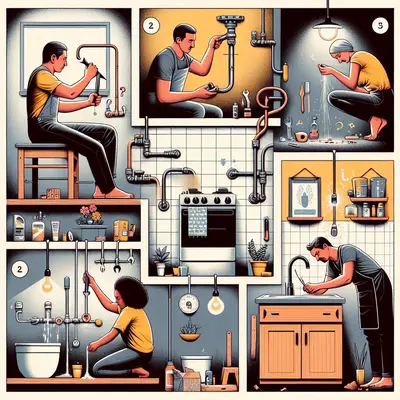
Most everyday home problems don’t need a contractor, a weekend, or a pile of cash. With a few basic tools and clear instructions, you can handle a surprising number of repairs yourself—and do them safely. This guide walks you through five common issues and exactly how to fix them, one step at a time.
Stop a Dripping Faucet (Without Replacing the Whole Thing)
A dripping faucet wastes water and quietly raises your bill. In most cases, the fix is just a worn-out cartridge or washer inside the handle.
Tools & materials:
- Adjustable wrench or basin wrench
- Screwdriver (Phillips and flathead)
- Replacement cartridge or washers/O‑rings (match to your faucet brand/model)
- Plumber’s grease (optional but helpful)
- Rag or small towel
Steps:
Shut off the water supply
Look under the sink for two small shutoff valves (hot and cold). Turn them clockwise until they stop. Open the faucet to release leftover water and pressure.
Plug the sink drain
Use the drain stopper or a rag. This prevents small screws or parts from disappearing down the drain.
Remove the faucet handle
- Look for a decorative cap or small set screw. - Pry off the cap gently with a flathead screwdriver or use an Allen wrench on the set screw. - Unscrew and pull off the handle.
Access the cartridge or stem
Under the handle you’ll see a retaining nut or clip. - Use a wrench to loosen the nut or remove the clip with pliers. - Gently pull out the cartridge or stem. Take note of the orientation.
Inspect and replace worn parts
- Check O‑rings and rubber washers for cracks or flat spots. - Replace with exact matches. For cartridges, bring the old one to the hardware store to match brand and model. - Lightly coat new O‑rings with plumber’s grease for a better seal.
Reassemble in reverse order
Insert the new or rebuilt cartridge/stem in the same orientation, secure the nut or clip, reinstall the handle, and tighten the screw.
Turn the water back on slowly
Open the shutoff valves gradually. Turn the faucet on and off to test. A properly installed cartridge or washer should stop the drip within a few seconds of closing.
Quiet a Running Toilet That Won’t Stop Filling
A constantly running toilet usually means a problem with the flapper, fill valve, or water level. You can often fix it without replacing the entire toilet.
Tools & materials:
- Replacement flapper and/or fill valve (universal kits fit most toilets)
- Adjustable wrench
- Towel or sponge
Steps:
Remove the tank lid and observe
Flush the toilet with the lid off and watch what happens. - Does water keep flowing into the bowl? - Is water overflowing into the vertical overflow tube? This tells you what part is failing.
Test the flapper
- Push down on the rubber flapper at the bottom of the tank. - If the running stops when you press it, the flapper is likely worn, warped, or dirty.
Replace the flapper if needed
- Turn off the water supply valve behind the toilet (clockwise). - Flush to empty most of the water from the tank. - Unhook the chain from the handle arm and detach the flapper from the posts. - Install the new flapper on the posts and attach the chain, leaving a little slack (too tight and it won’t seal; too loose and it won’t lift fully).
Adjust water level if it’s too high
If water is spilling into the overflow tube: - For float-cup fill valves, pinch the metal clip on the rod and slide the float down. - For ball floats, gently bend the metal arm downward so the valve shuts off at a lower water level.
Replace the fill valve if it’s noisy or not shutting off
- Turn off the water and flush to drain the tank. - Disconnect the water supply line under the tank with a wrench. - Remove the old fill valve mounting nut and lift the valve out. - Install the new fill valve per the instructions, adjusting the height to match your tank. - Reconnect the supply line and tighten.
Turn the water back on and test
Let the tank refill, then flush several times. Adjust the float and flapper chain if necessary. The toilet should fill quietly and stop on its own without water flowing into the overflow tube.
Fix a Door That Won’t Close or Keeps Swinging Open
Misaligned doors that rub, stick, or swing by themselves are usually a hinge and frame issue—not a “new door” issue. Small adjustments can make them work like new.
Tools & materials:
- Screwdriver
- Longer wood screws (2.5–3 inches)
- Wood shims or cardboard
- Utility knife
- Pencil
Steps (for a sagging or rubbing door):
Identify the problem spots
Close the door slowly and note where it rubs: top, latch side, or bottom. Also check gaps—are they even all the way around?
Tighten hinge screws
- Open the door and tighten all visible hinge screws on both the door and the frame. - If screws spin without tightening, they’re stripped and need longer screws.
Use longer screws to pull the door back into alignment
- At the top hinge in the door frame, replace at least one short screw with a 2.5–3 inch wood screw. - Drive it into the wall stud behind the frame. This pulls the top of the door toward the hinge side and can correct sag.
Shim behind hinges if needed
- If the latch side is too tight at the top but wide at the bottom, you may need to shim the lower hinge. - Loosen hinge screws (don’t remove entirely), slide a thin shim or cardboard behind the hinge leaf, then retighten. - Trim any visible shim with a utility knife.
Adjust the latch strike plate
If the latch doesn’t catch or you have to lift/push to latch: - Mark where the latch hits the strike plate with a pencil. - If it’s too high/low, slightly file the opening OR move the plate up/down by 1–2 mm. - To move the plate, remove the screws, shift the plate, pre-drill new pilot holes if needed, then reattach.
Test and fine‑tune
Close and open the door several times. Make small adjustments rather than large ones—you want an even gap and a smooth latch without forcing.
Clear a Slow Drain Without Harsh Chemicals
A sink or shower that drains slowly is usually clogged with hair, soap scum, or grease. Chemical drain cleaners can damage pipes and fixtures; mechanical methods are safer and often more effective.
Tools & materials:
- Rubber gloves
- Bucket or bowl
- Plunger (cup-style for sinks, flange-style for toilets, but don’t mix them)
- Plastic drain snake or zip tool
- Old toothbrush or small brush
- Baking soda and vinegar (optional)
Steps:
Remove standing water if it’s deep
Use a small container or cup to bail water into a bucket until you can see the drain.
Clean the drain stopper or cover
- For sinks, unscrew or lift out the stopper. - For tubs/showers, remove any screws holding the drain cover. - Clean off hair and debris with gloves and an old brush.
Use a drain snake for hair clogs
- Insert the plastic snake into the drain as far as it will go. - Wiggle and twist gently, then pull it out to remove hair and gunk. - Repeat until you’re not pulling out more debris.
Try plunging for deeper clogs
- Fill the sink or tub with enough water to cover the plunger cup. - Block any overflow holes with a wet cloth for better suction. - Place the plunger over the drain and push down slowly, then pull up sharply. - Repeat 10–15 times, then check drainage.
Use a baking soda and vinegar flush (optional)
- Pour about 1/2 cup baking soda into the drain. - Add 1/2–1 cup white vinegar. - Let it fizz for 10–15 minutes, then flush with a kettle of hot (not boiling) water. This helps break down soap and mild grease buildup.
Reassemble and test
Reinstall the stopper or drain cover. Run hot water for a minute to confirm the drain is flowing freely. If it’s still slow, the clog may be further down the line, and you may need a longer manual auger or a plumber.
Secure a Loose Towel Bar or Toilet Paper Holder
Wall-mounted hardware often becomes wobbly because the anchors pulled out of the drywall. Fixing it properly means anchoring into something solid—or using better drywall anchors.
Tools & materials:
- Screwdriver
- Drill with drill bits
- New wall anchors (toggle bolts, molly bolts, or heavy‑duty plastic anchors)
- Level
- Pencil
Steps:
Remove the loose hardware
- Loosen the set screws under or behind the brackets. - Slide off the bar and decorative covers. - Unscrew the mounting brackets from the wall.
Inspect the existing holes
- If the holes are enlarged or crumbly, don’t reuse them without better anchors. - If they align with a stud, you can switch to wood screws for a stronger hold.
Decide: move slightly or reinforce existing location
- If the wall is badly damaged, move the brackets up, down, or sideways by about 1 inch to fresh drywall. - If damage is minimal, use beefier anchors in the same location.
Drill proper pilot holes for new anchors
- Mark the bracket positions with a level and pencil. - Drill holes sized to the new anchors (follow the anchor packaging). - Insert anchors flush with the wall; tap gently with a hammer if needed.
Attach mounting brackets securely
- Fasten the brackets into the new anchors or directly into studs using appropriate screws. - Tug gently on each bracket to confirm they’re solid.
Reinstall the bar or holder
- Slide the bar and decorative covers back onto the brackets. - Tighten the small set screws to lock everything in place. Test by pulling down on the bar or holder—it should feel firm, not spongy.
Conclusion
Most “annoying but not urgent” home problems share two things: they get worse when ignored, and they’re usually fixable with simple tools and a clear plan. By learning how to stop a drip, quiet a toilet, straighten a door, clear a drain, and secure loose hardware, you take control of your space and avoid unnecessary service calls.
Start with the issue that bothers you the most, follow the steps carefully, and work patiently. Each repair you complete builds skills and confidence for the next one—and keeps your home working the way it should.
Sources
- U.S. Environmental Protection Agency – Fix a Leak - Details how small leaks (like dripping faucets and running toilets) waste water and why fixing them matters
- The Family Handyman – How to Fix Leaky Faucets - Step‑by‑step faucet repair techniques and parts identification
- This Old House – How to Fix a Running Toilet - Visual guide to diagnosing and repairing common toilet tank issues
- University of Nebraska–Lincoln Extension – Household Drain Care - Explains safe, non‑chemical methods for maintaining and unclogging drains
- International Association of Certified Home Inspectors – Doors - Covers common door issues, misalignment causes, and repair considerations
Key Takeaway
The most important thing to remember from this article is that this information can change how you think about Household Repairs.