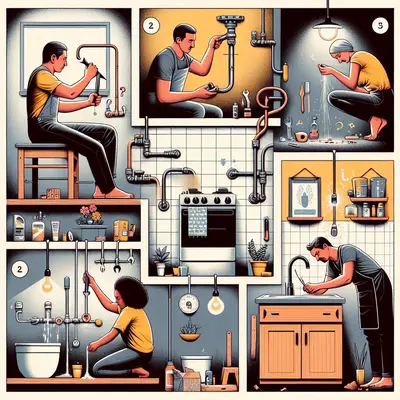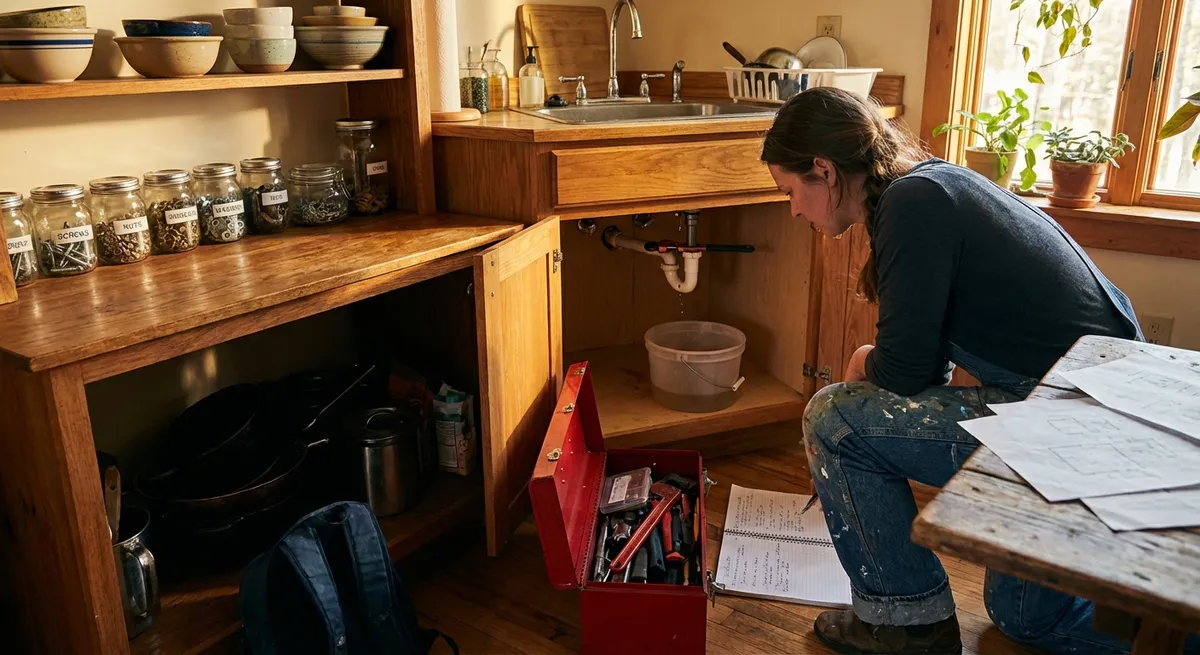
Every home has those nagging problems that never seem “urgent enough” to call a pro, but are annoying enough to drive you up the wall. Dripping faucets, wobbly chairs, doors that won’t close right—none are catastrophic, but together they waste time, energy, and money. This guide walks you through five straightforward household fixes you can realistically handle yourself with basic tools. No jargon, no complicated projects—just clear, step‑by‑step repairs you can actually finish.
Stop a Dripping Faucet and Cut Water Waste
A faucet that won’t stop dripping isn’t just irritating—it can waste gallons of water a day and bump up your bill. Most leaks in standard faucets come from worn internal parts that are inexpensive and relatively easy to replace.
What you’ll need
- Adjustable wrench or basin wrench
- Screwdriver (Phillips or flathead, depending on handle)
- Replacement parts (O-rings, cartridge, or washer kit for your faucet model)
- Plumber’s tape (Teflon tape)
- Rag or towel
Step-by-step
Shut off the water supply
Look under the sink for two small shutoff valves (hot and cold). Turn both clockwise until they stop. Test the faucet to confirm the water is off.
Plug the drain
Use the sink plug or a rag. Small screws or parts can easily vanish down the drain.
Remove the faucet handle
- Pop off any decorative cap on the handle (often marked H or C). - Remove the screw underneath. - Gently lift or wiggle the handle off.
Identify your faucet type
Most home faucets are one of these: - Cartridge - Compression (older style with separate hot/cold knobs) - Ceramic disk Look up your brand/model online if you’re unsure—this will guide which replacement parts you need.
Take out the internal mechanism
- Use the wrench to loosen and remove the retaining nut or clip. - Pull out the cartridge or stem. - Inspect O-rings and rubber washers—if they’re cracked, brittle, or misshapen, that’s your leak.
Replace worn parts
- Take the old parts to a hardware store to match sizes exactly, or look up a specific repair kit for your faucet model. - Install new O-rings/washers or cartridge, aligning it the same way the old one was installed.
Reassemble and seal threads
- Wrap threaded connections lightly with plumber’s tape. - Reinstall the cartridge or stem, retaining nut, and handle.
Turn water back on and test
- Open the shutoff valves slowly. - Turn the faucet on, then off, and watch for any drips or leaks around the base and spout.
If the faucet still drips after replacing the cartridge or washers, the valve seat itself may be pitted or damaged. At that point, you can either use a valve seat resurfacing tool (if you’re comfortable) or call a plumber.
Quiet Noisy Cabinet Doors and Drawers
Slamming cabinet doors and squeaky drawers make your kitchen feel more chaotic than it needs to be. The fix is usually quick: adjust the hardware and soften the impact.
What you’ll need
- Phillips screwdriver
- Small level (optional but helpful)
- Self-adhesive felt or rubber bumpers
- Silicone spray or dry lubricant (for slides)
Step-by-step
Tighten all hinge screws
Open the cabinet door fully. Tighten the screws on both the door side and the frame side of each hinge. Loose screws are the most common cause of misaligned, noisy doors.
Adjust hinge alignment
Many modern cabinet hinges are adjustable: - Side-to-side screws tweak the door left/right. - Depth screws move the door in/out. - Height adjustments (sometimes) raise or lower. Adjust until the door closes evenly and lines up with neighboring doors.
Add soft-close style bumpers
- Stick small felt or rubber bumpers on the inside top corners of the cabinet door where it meets the frame. - Use two to four per door depending on size. These absorb impact and significantly reduce slamming noise.
Handle squeaky hinges
- Support the door with one hand. - Open and close the door while spraying a very small amount of silicone lubricant directly on the hinge pivot points. - Wipe off any excess to avoid drips or staining.
Smooth sticky drawers
- Remove the drawer completely. - Clean the slides or wooden runners with a dry cloth to remove dust and grit. - Apply a light coat of dry lubricant (or rub a bar of plain, unscented soap along wooden runners). - Reinstall and test the motion.
Check for warped or loose doors
If a door still doesn’t sit right: - Inspect for warping (edge looks twisted when viewed from the side). - Check for stripped screw holes; if needed, fill with wood glue and toothpicks, let dry, then reinsert the screw for a firmer bite.
With a screwdriver and a few bumpers, you can usually turn a noisy, slam-happy kitchen into a quieter, smoother space in under an hour.
Fix a Wobbly Chair or Table for Good
That one wobbly chair or table leg is more than irritating—it can be unsafe. The problem is usually loose joints, uneven legs, or worn-out hardware. A bit of glue, tightening, and leveling can restore stability.
What you’ll need
- Wood glue (for wooden furniture)
- Clamps or heavy weights (books, paint cans)
- Screwdriver or hex key (Allen wrench)
- Sandpaper or furniture pads
- Small level (optional)
Step-by-step
Flip the furniture over
Place it gently upside down on a soft surface (rug or blanket) to protect the finish. Sit or press on it slightly to see which joints or legs move.
Tighten existing hardware
- Tighten all screws, nuts, and bolts that connect legs and supports. - For furniture using hex bolts, use the correct size hex key and tighten firmly but not so hard that you strip the head.
Re-glue loose wooden joints
If you notice a wooden leg or cross brace wiggling where it meets another piece: - Carefully pull or tap the joint apart slightly if possible. - Clean out old, flaky glue with sandpaper or a small brush. - Apply fresh wood glue into the joint (not just on the surface). - Reassemble and clamp tightly, or press together with heavy weights. - Wipe away excess glue with a damp cloth. - Let cure as directed on the glue (often 24 hours) before heavy use.
Assess leg length and floor contact
Stand the furniture upright on a hard, flat surface. - Rock it gently to see which leg is not touching the floor. - Slip a piece of paper under each leg to find the high or low point.
Even out the legs
- For minor differences: stick felt furniture pads under the shorter leg(s) until the wobble disappears. - For unfinished wooden legs with a significant height difference: lightly sand down the longer leg very gradually, checking frequently so you don’t remove too much.
Re-test under real use
Sit in the chair, or press down on the table from different angles. If it still wobbles, repeat the tightening and pad adjustments until stable.
Investing an hour in repairing a wobbly piece is often cheaper (and greener) than replacing an entire chair or table.
Get Interior Doors to Close Smoothly Again
A door that sticks, rubs, or won’t latch properly can be caused by humidity, house settling, or loose hardware. In many cases, you can fix this without shaving the door or calling a carpenter.
What you’ll need
- Phillips screwdriver
- Utility knife or sandpaper
- Pencil
- Cardboard or thin shim (optional)
- Wood chisel (only if adjustments require it and you’re comfortable)
Step-by-step
Identify what’s actually wrong
- Does the door scrape the floor or frame? - Does it not latch unless you push hard? - Does it swing closed or open by itself?
Watch and listen as you open and close it; look for friction points.
Tighten hinge screws
- Start with the top hinge—loose top hinges often cause the door to sag. - Tighten all hinge screws on both the door side and the frame side.
If a screw spins freely and won’t tighten, the hole may be stripped. You can fix this by:
- Removing the screw.
- Filling the hole with wood glue and broken wooden toothpicks.
- Letting it dry, then reinserting the screw.
Adjust the door’s position with simple shims
If the door rubs on the latch side near the top: - Loosen (don’t remove) the screws on the top hinge plate attached to the frame. - Insert a thin cardboard shim behind the hinge plate. - Retighten screws. This shifts the door slightly and can relieve binding.
Mark and gently sand high spots
If the door still sticks: - Close it until it just touches the frame. - Run a pencil along the edge where it rubs to mark the contact point. - Remove the door from its hinges if needed. - Lightly sand only the marked area, then test again. Remove as little material as possible—this is a fine-tuning step, not a major reshape.
Fix latch alignment issues
If the door closes but the latch won’t “catch”: - Look at the strike plate (metal piece on the frame). - Close the door slowly and watch where the latch hits. - If it’s too high or low, loosen the strike plate screws and shift the plate slightly up or down, then retighten. - In stubborn cases, you may need to slightly enlarge the strike plate hole using a file or chisel, but do this carefully and gradually.
Control moisture where possible
In very humid environments, doors can swell: - Use a dehumidifier in problem areas like basements. - Avoid major trimming until you know the sticking isn’t just seasonal swelling.
Often, a screwdriver and a few millimeters of adjustment are enough to make a stubborn door behave properly again.
Clear a Slow-Draining Sink Without Harsh Chemicals
A slowly draining bathroom or kitchen sink usually means a partial clog from hair, soap scum, food, or grease. You don’t need harsh chemicals to fix most of these clogs, and mechanical methods are safer for your pipes.
What you’ll need
- Bucket or small container
- Rubber gloves
- Plunger (cup-style for sinks)
- Zip-it style drain cleaning tool or small plastic drain snake
- Adjustable wrench (for P-trap, if needed)
Step-by-step
Remove and clean the stopper (bathroom sink)
- Pull the stopper up; some lift straight out, others are secured from under the sink. - Under the sink, find the small horizontal rod held in by a nut on the drain pipe. - Loosen the nut, slide the rod out, and then remove the stopper from the sink. - Clean off hair and gunk, then rinse well.
Try a simple plunger first
- Cover any overflow holes with a damp cloth or tape so air doesn’t escape. - Fill the sink with a bit of water so the plunger cup is submerged. - Place the plunger over the drain and plunge up and down firmly for 20–30 seconds. - Check if water drains faster; repeat if it’s improved but not fully clear.
Use a drain cleaning tool for hair and gunk
- Insert a plastic Zip-it or similar tool into the drain as far as it will go. - Wiggle gently, then pull it out to remove trapped hair and buildup. - Repeat several times until the tool comes out relatively clean.
Clean the P-trap (if still slow)
- Place a bucket under the curved pipe (P-trap) beneath the sink. - Loosen the slip nuts on each side of the trap using your hands or an adjustable wrench. - Remove the trap and empty debris into the bucket. - Rinse the trap thoroughly, ensuring there are no obstructions. - Reassemble, making sure gaskets are seated correctly, and hand-tighten the nuts.
Flush with hot water
- Run hot (not boiling) water down the drain for a few minutes to rinse away remaining residue. - Observe the drainage—if it’s smooth and fast, you’ve fixed it.
Prevent future clogs
- Use mesh drain screens to catch hair and food particles. - Avoid pouring grease or oil down the kitchen sink; dispose of it in the trash. - Periodically rinse drains with hot water and a mild dish soap solution to reduce buildup.
If repeated attempts don’t improve the drainage at all, the clog may be deeper in your plumbing and might require a drain auger or professional help.
Conclusion
Most day-to-day household problems aren’t emergencies—they’re small frustrations that quietly cost you time, energy, and money. Tackling them early with simple tools and clear steps lets you stay in control of your home instead of waiting for things to fail completely.
By learning how to stop a dripping faucet, quiet cabinets, stabilize furniture, realign doors, and clear slow drains, you’re not just “doing chores”—you’re building practical skills that pay off every time something else goes wrong. Start with the easiest fix on this list, get one success under your belt, and use that momentum to move on to the next.
Sources
- [U.S. Environmental Protection Agency – Fix a Leak](https://www.epa.gov/watersense/fix-leak-week) - Explains how small leaks (like dripping faucets) waste water and why fixing them matters
- [The Family Handyman – How to Fix a Leaky Faucet](https://www.familyhandyman.com/project/how-to-fix-a-leaky-faucet) - Detailed faucet repair guidance and part identification
- [This Old House – How to Fix a Sticky Door](https://www.thisoldhouse.com/doors/21015120/how-to-fix-a-sticky-door) - Practical steps for diagnosing and adjusting interior doors
- [Lowe’s – How to Unclog a Sink](https://www.lowes.com/n/how-to/unclog-a-sink) - Step-by-step instructions for clearing sink drains using different methods
- [Consumer Product Safety Commission – Furniture and TV Tip-Over Information](https://www.cpsc.gov/Safety-Education/Safety-Education-Centers/Tipover-Information-Center) - Safety background on unstable furniture and why proper stabilization matters
Key Takeaway
The most important thing to remember from this article is that this information can change how you think about Household Repairs.