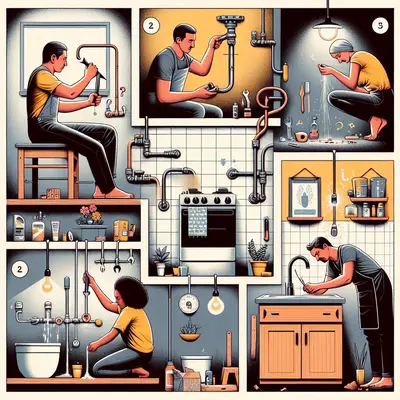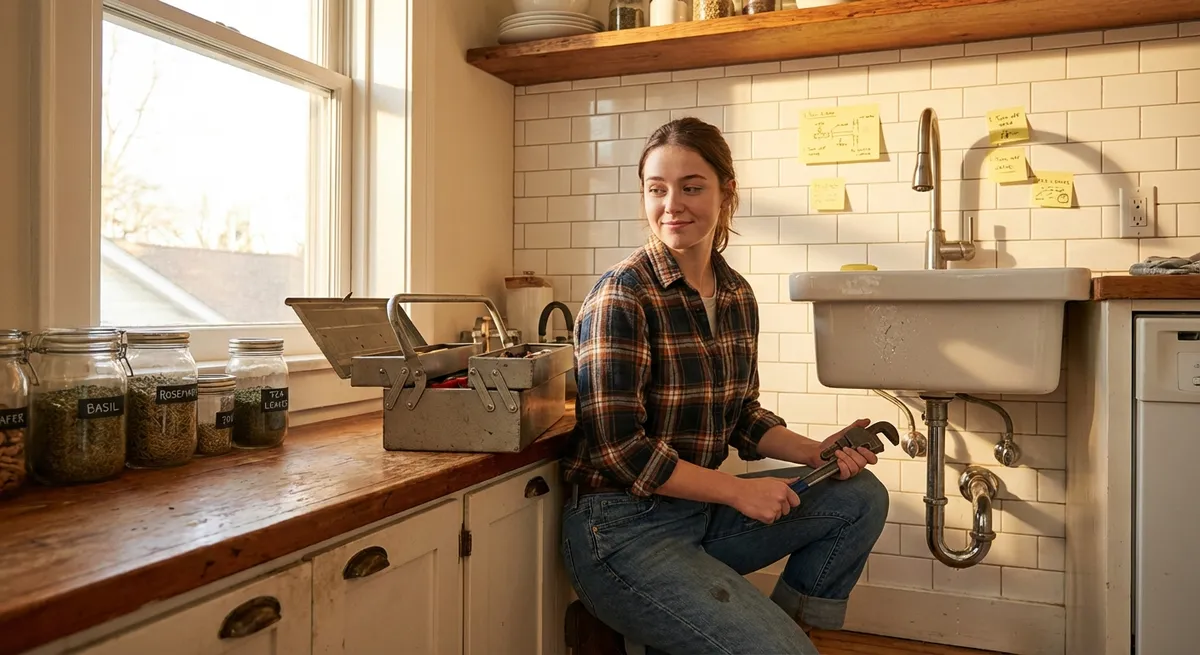
Things break, drip, squeak, or just stop working—usually when you’re busy or tired. You don’t always need a pro or a full weekend to get them under control. With a few basic tools and the right steps, you can safely handle a lot of household issues yourself and keep small problems from becoming big, expensive ones.
This guide walks you through five common home problems with clear, practical steps you can follow right away.
Fix 1: Quiet a Squeaky Door (Without Replacing the Hinges)
A squeaky door is annoying, but it’s usually one of the easiest fixes in the house.
What you’ll need
- Old towel or cardboard (to protect the floor)
- Screwdriver (usually Phillips)
- Lubricant: silicone spray, lithium grease, or petroleum jelly
- Paper towel or rag
Step‑by‑step
Protect the floor
Place a towel or piece of cardboard under the hinge area to catch any drips from the lubricant.
Check the hinge screws
Use a screwdriver to snug up any loose hinge screws. Loose hinges can cause rubbing and squeaking. Do not overtighten—just firm.
Test the door first
Open and close the door a few times. If the squeak is gone just from tightening, you’re done. If not, move on to lubrication.
Apply lubricant to the hinge
- If using spray: Insert the straw (if supplied) and spray a short burst directly into the gaps at the top and bottom of the hinge pin. - If using grease or petroleum jelly: Rub a small amount onto the exposed parts of the hinge using a rag or finger.
Work it in
Open and close the door 10–15 times to work the lubricant into the hinge. Wipe away any drips with a rag.
Deal with stubborn squeaks
If it still squeaks, remove one hinge pin at a time (tap it upward with a screwdriver and hammer if needed), lightly coat the pin with lubricant, then reinstall and wipe off excess.
Prevent future noise
Once the squeak is gone, plan to relubricate if you start hearing noise again—often once a year is enough in most homes.
Fix 2: Stop a Running Toilet (And Save on Your Water Bill)
A constantly running toilet wastes a surprising amount of water and money. Most of the time, the problem is inside the tank and can be fixed with basic adjustments or inexpensive replacement parts.
What you’ll need
- Adjustable wrench or pliers (sometimes optional)
- Replacement flapper or fill valve kit (if needed)
- Towel or sponge (for any spills)
Step‑by‑step
Take off the tank lid and observe
Carefully remove the tank lid and set it aside. Flush the toilet and watch what happens: - Does water keep trickling into the bowl? - Does the fill valve never shut off? - Does the flapper not seal properly?
Check the flapper first
The flapper is the rubber piece at the bottom of the tank. - Push it down gently with a stick or handle. - If the water stops running when you press it, the flapper is likely worn, warped, or dirty.
Clean or adjust the flapper chain
- Make sure the chain isn’t too tight or too loose. - There should be a little slack, but not so much that it gets stuck under the flapper. - Clean any visible mineral deposits from the flapper and seat with a sponge.
Replace the flapper if needed
- Turn off the shutoff valve under the toilet (turn clockwise). - Flush to empty most of the water from the tank. - Unclip the old flapper from the overflow tube and remove the chain from the handle arm. - Install the new flapper in the same position and attach the chain, adjusting length so it lifts easily but still closes fully. - Turn the water back on and test.
Adjust or replace the fill valve (if water level is wrong)
If water rises too high and spills into the overflow tube: - Look for a height adjustment on the fill valve (often a screw or a sliding clip). - Lower the float so the water level stops about 1 inch below the top of the overflow tube. If the fill valve never shuts off or is corroded, install a replacement kit following the package instructions.
Final leak check
Flush several times and make sure: - The flapper seals tightly each time. - The water stops at the correct level. If the toilet is still running, recheck the flapper chain and float height.
Fix 3: Clear a Slow Bathroom Sink Drain (Without Harsh Chemicals)
Hair, soap scum, and toothpaste build-up are the usual suspects in a slow bathroom sink. You can often clear it without calling a plumber or using aggressive drain cleaners that can damage pipes.
What you’ll need
- Plunger (small sink type)
- Bucket or bowl
- Old toothbrush or small brush
- Zip-it style plastic drain tool or small hair snake
- Adjustable wrench (if needed)
- Rubber gloves
Step‑by‑step
Remove the sink stopper
- Lift it out if it’s a simple pull-out. - If it’s fixed, look under the sink: you’ll see a pivot rod attached to the drainpipe. - Loosen the nut holding the rod, slide the rod out, then remove the stopper from above.
Clean the stopper thoroughly
- Remove hair and gunk from the stopper with a paper towel. - Scrub it with an old toothbrush and warm soapy water. Cleaning this alone often restores normal flow.
Use a plastic drain tool
- Insert the Zip-it or hair snake into the drain as far as it will go. - Wiggle and twist gently, then pull it out to remove trapped hair and debris. - Repeat until it comes out mostly clean.
Try a short plunge (if needed)
- Block the overflow hole with a damp rag. - Fill the sink with a small amount of water (enough to cover the plunger cup). - Plunge with firm, short strokes 8–10 times. - Remove the plunger and see if the water drains quickly.
Flush with hot (not boiling) water
- Run hot tap water for a minute or two to help move loosened debris through the trap. - Avoid boiling water on porcelain sinks or PVC pipes.
Reassemble the stopper
- Put the stopper back into the drain from above. - Reinsert the pivot rod from under the sink, making sure it catches the hole in the bottom of the stopper. - Tighten the pivot nut by hand, then carefully snug with a wrench if needed (don’t overtighten).
Test and prevent future clogs
- Run water and confirm it drains quickly. - Regularly lift and clean the stopper to prevent build-up from returning.
Fix 4: Reset a Dead Outlet or Half‑Dead Room (Using Your Breaker and GFCI)
If part of a room loses power—like a bathroom outlet or kitchen counter plug—there’s a good chance the fix is at your breaker panel or a tripped GFCI outlet, not inside the wall.
Important safety note
If you smell burning, see scorch marks, or feel heat at an outlet, stop and call a licensed electrician.
What you’ll need
- Flashlight (if lights are out)
- Access to your electrical panel
- Optional: simple outlet tester
Step‑by‑step
Check other outlets and lights in the same area
- Determine if it’s one outlet or a group (e.g., all kitchen counter outlets, one bathroom, or a set of exterior outlets). - This helps you know whether to look for a tripped GFCI or a breaker.
Look for GFCI outlets to reset
- GFCI outlets have “Test” and “Reset” buttons, often in: - Bathrooms - Kitchen counters - Garages - Basements - Outdoor outlets - Press the Reset button firmly. If it clicks and power returns, you’re done.
Check related GFCIs, not just the dead outlet’s room
One GFCI can protect multiple outlets—even in another room. - For example, a bathroom GFCI might protect a nearby hallway or outdoor outlet. - Reset all GFCIs you can find in that part of the house.
Go to the breaker panel
- Open the electrical panel door and look for any breakers that: - Are in the middle position, or - Don’t line up perfectly with the others. - Some breakers have a small “tripped” indicator window.
Fully reset a tripped breaker
- Turn the suspect breaker all the way OFF first. - Then firmly switch it back ON. - Test the affected outlets again.
Use an outlet tester (optional but helpful)
- Plug it into the outlet; indicator lights will show if it’s wired correctly and receiving power. - If it shows “open neutral,” “open ground,” or other wiring faults, call a professional.
Know when to stop
If outlets trip often, sparks occur, or breakers won’t reset and stay on, stop troubleshooting and contact a licensed electrician. That signals a deeper wiring or load problem.
Fix 5: Seal a Drafty Window (Boost Comfort and Cut Energy Loss)
Drafty windows can make a room uncomfortable and drive up heating and cooling costs. You can make a big difference with simple sealing and insulation steps.
What you’ll need
- Weatherstripping (adhesive foam or rubber)
- Window insulation film kit (optional, for colder seasons)
- Caulk (paintable latex for interior)
- Caulk gun
- Utility knife or scissors
- Cleaning cloth and mild cleaner
Step‑by‑step
Find the draft source
- On a windy day (or with a fan blowing outside the window), hold your hand around: - Window edges - Where the sash meets the frame - Along the sill and trim - You can also use a lit incense stick or very small piece of tissue and watch for movement.
Clean the surfaces
- Wipe down window frames, sashes, and trim with mild cleaner. - Let everything dry completely so weatherstripping and film will stick properly.
Add or replace weatherstripping
- Measure the sides where the moving sash meets the frame. - Cut adhesive weatherstripping to length with scissors. - Peel the backing and press it firmly into place along the edges where air leaks.
Seal gaps with caulk (for fixed joints)
- Use paintable latex caulk for interior seams between the window frame and the wall trim. - Cut the tip of the caulk tube at a small angle. - Run a thin, steady bead along gaps and smooth with a damp finger or caulk tool. - Wipe away excess and allow it to dry per manufacturer’s instructions.
Install window insulation film (for extra insulation)
- Follow the kit instructions: typically, you apply double-sided tape around the frame, attach the plastic film, then use a hair dryer to shrink it tight. - This creates an air barrier that helps reduce drafts in colder months.
Check operation after sealing
- Make sure windows can still open and lock safely. - Do not seal shut windows that are needed for emergency egress unless you can easily remove the film or weatherstripping.
Monitor comfort and bills
- After sealing, note any improvement in room comfort. - Over time, you may see lower heating or cooling use, especially if multiple drafty windows were sealed.
Conclusion
Most everyday home problems don’t require panic—or an emergency service call. With a basic toolkit, a bit of observation, and clear steps, you can:
- Eliminate annoying noises (like squeaky doors)
- Stop water waste in the bathroom
- Keep drains flowing
- Restore power to dead outlets safely
- Make rooms more comfortable and energy‑efficient
Handling these jobs yourself not only saves money but also helps you catch bigger issues early. Start with one repair from this list today; each success builds your confidence for the next.
Sources
- [U.S. Department of Energy – Air Sealing Your Home](https://www.energy.gov/energysaver/air-sealing-your-home) – Guidance on sealing air leaks around windows and doors to improve comfort and efficiency
- [U.S. Environmental Protection Agency – WaterSense: Fix a Leak](https://www.epa.gov/watersense/fix-leak-week) – Details on how running toilets and leaks waste water and how to address them
- [Family Handyman – How to Fix a Running Toilet](https://www.familyhandyman.com/project/how-to-fix-a-running-toilet/) – Illustrated steps for diagnosing and repairing common toilet tank issues
- [The Spruce – How to Unclog a Bathroom Sink](https://www.thespruce.com/how-to-unclog-a-bathroom-sink-2718736) – Practical methods for clearing slow or clogged bathroom sink drains
- [Occupational Safety and Health Administration (OSHA) – Electrical Safety](https://www.osha.gov/electrical-safety) – Key safety considerations when working around household electrical systems
Key Takeaway
The most important thing to remember from this article is that this information can change how you think about Household Repairs.