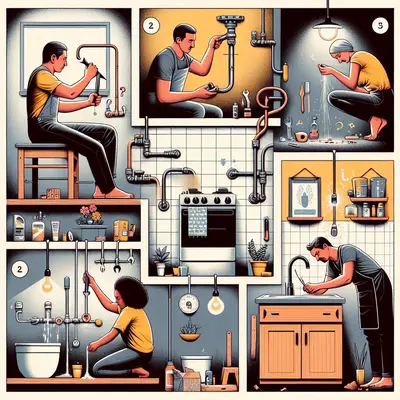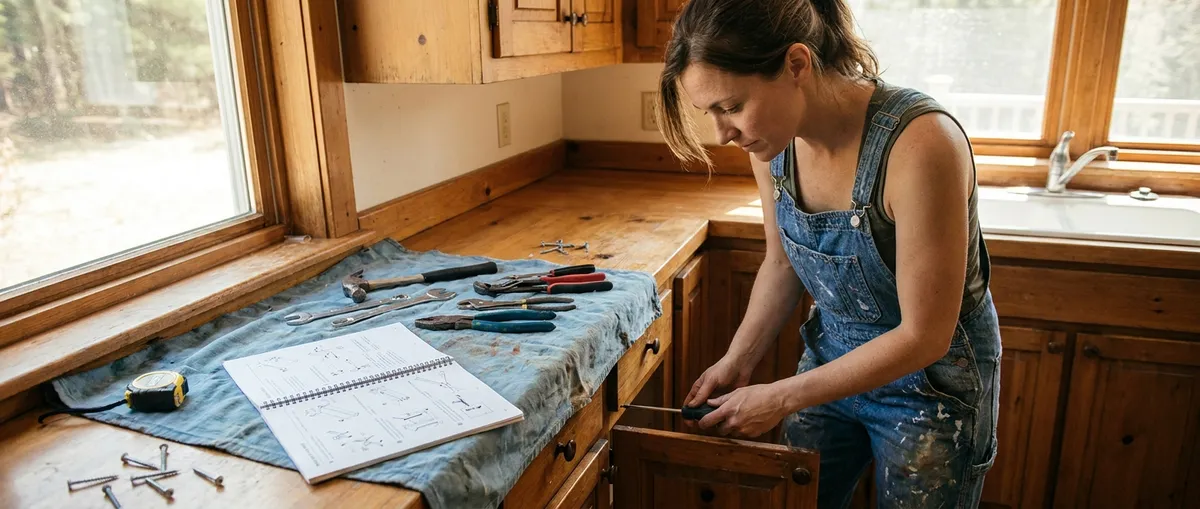
A lot of “simple” household problems quietly drain your time, money, and patience: a door that never quite closes, a toilet that runs all night, a mystery draft that makes one room freezing. You don’t need to be a contractor to handle these. With a few basic tools and a clear plan, you can solve common issues safely and confidently—and stop living with annoyances that are completely fixable.
This guide walks through five everyday problems and how to fix them step by step, with a focus on safety, clarity, and results.
1. Silencing a Running Toilet (Without Calling a Plumber)
A toilet that keeps running wastes water and raises your bill. In most cases, the fix is inside the tank and takes under 20 minutes.
What you’ll need
- Adjustable wrench (optional)
- Replacement flapper (if needed)
- Small towel
Step-by-step
Remove the tank lid and look inside
Set the lid aside on a towel so it doesn’t crack. Familiarize yourself with three key parts: - Fill valve (usually on the left, where water enters) - Float (controls water level) - Flapper (rubber seal at the bottom of the tank)
Check the chain and handle first
Flush and watch the chain as the handle moves. Issues to look for: - Chain too tight: flapper can’t fully close, water keeps running. - Chain too loose: flapper doesn’t lift enough, weak flush. Adjust by moving the hook on the chain so there’s just a little slack when the flapper is closed.
Inspect the flapper for wear
Turn off the water supply valve behind the toilet (clockwise). Flush to empty most of the water. Touch the flapper: - If it’s warped, cracked, or feels gummy, it won’t seal properly. - If you see water trickling around it after the tank refills, that’s your leak path.
Replace the flapper if needed
- Unclip the old flapper from the overflow tube. - Clip the new one on, attach the chain to the handle lever, and ensure it opens and closes freely. - Turn the water back on and let the tank fill. Test flush a few times.
Set the correct water level
Too high and water will run into the overflow tube; too low and the flush is weak. - On float-cup types: turn the screw on top of the fill valve or squeeze the clip and slide the float up/down the rod. - On float-ball types: gently bend the metal arm down (less water) or up (more water). Aim for water about 1 inch below the top of the overflow tube.
If you still hear water moving after these steps, the fill valve itself may be worn. Replacing it is still a DIY job, but involves more disassembly—always follow the manufacturer’s instructions on the replacement kit.
2. Fixing a Door That Won’t Latch or Keeps Swinging Open
A door that pops open or refuses to latch is usually a sign of minor misalignment, not a serious structural issue.
What you’ll need
- Phillips screwdriver
- Small wood shims or toothpicks
- Wood glue (optional)
- Utility knife or chisel (for advanced adjustment)
Step-by-step
Identify the problem
Close the door slowly and watch what happens: - Does the latch (the metal tongue) hit above or below the strike plate hole? - Does it line up but not fully engage? - Does the door swing open by itself from a partially closed position?
Tighten hinge screws
Use a screwdriver to snug all hinge screws on both the door and the frame. - Loose top hinge: door sags, latch hits too low. - Loose bottom hinge: latch may hit too high. Don’t overtighten, especially in older or soft wood.
Reinforce stripped screw holes
If screws spin without tightening, the holes are stripped. - Remove the screw. - Fill the hole with wood glue and a few wooden toothpicks or a small wood sliver. Break off flush. - Let it set briefly, then drive the screw back in. This gives screws fresh wood to bite into and often pulls the door back into alignment.
Adjust the strike plate (simple method)
If the latch hits slightly above or below the strike plate hole but is close: - Loosen the screws on the strike plate slightly. - Shift the plate up/down or in/out as needed, then retighten. This often solves minor misalignment.
Move the strike plate (advanced but doable)
For bigger alignment issues: - Mark where the latch naturally meets the frame while trying to close. - Remove the strike plate. - Carefully chisel or cut away a bit of wood so the plate can be repositioned higher or lower, matching your mark. - Reattach the plate in the new position and test the door.
Stop a self-swinging door
If a door swings open or closed on its own, the frame is slightly out of plumb. The quick fix: - Remove the hinge pin from the top hinge. - Gently bend the pin slightly in the middle using a hammer on a hard surface. - Reinsert the bent pin. The added friction helps the door stay where you leave it.
3. Clearing a Slow Draining Sink Without Harsh Chemicals
A sluggish sink is usually caused by a buildup of soap scum, hair, or grease. You can clear most clogs mechanically, which is safer for your pipes and the environment than constantly pouring in chemical drain cleaners.
What you’ll need
- Bucket or bowl
- Old towel
- Plunger (cup-style for sinks)
- Drain snake or plastic hair remover tool
- Adjustable pliers (for P-trap, if needed)
- Rubber gloves
Step-by-step
Remove the sink stopper
- For bathroom sinks: look under the sink for the pivot rod (thin metal rod connected to the drain). Loosen the nut holding it, slide the rod out, and pull the stopper up from the sink. - For kitchen sinks with a basket strainer: just lift the strainer out.
Try a plunger first
- Block the overflow hole with a damp cloth (bathroom sink) so air doesn’t escape. - Fill the sink with enough water to cover the plunger cup. - Position the plunger directly over the drain and plunge firmly 10–15 times. - Test drainage. Repeat once or twice if needed.
Use a drain snake or hair tool
- Feed the snake or plastic tool into the drain, twisting gently. - When you feel resistance, rotate and pull back—this often brings out hair and gunk. - Repeat a couple of times until it comes back cleaner.
Clean the P-trap (if still slow)
Place a bucket under the P-shaped pipe under the sink. - Use pliers to loosen the slip nuts on both ends of the trap. - Carefully remove the trap and dump the contents into the bucket. - Clean inside the trap and the connecting pipes with a bottle brush or an old toothbrush. - Reassemble, hand-tighten the nuts, then snug gently with pliers. Do not overtighten.
Flush with hot water
Run hot (not boiling) water for a few minutes to rinse away residual buildup. Reinstall the stopper and check for leaks under the sink. Tighten any connections that drip slightly.
Avoid routinely using strong chemical drain cleaners; they can damage older pipes and seals over time and are hazardous if mixed or misused.
4. Eliminating a Drafty Window (On a Budget)
Drafts around windows waste energy and make rooms uncomfortable. You can cut heat loss dramatically with some simple sealing.
What you’ll need
- Caulk (interior-grade, paintable latex or silicone-latex blend)
- Caulk gun
- Utility knife
- Weatherstripping (adhesive foam or rubber)
- Painter’s tape (optional)
- Mild cleaner and cloth
Step-by-step
Find the exact draft location
On a windy day, slowly move your hand around the window frame, sill, and meeting rails. You can also: - Hold a lit incense stick or a thin piece of tissue near the frame and watch for movement. Note where air moves most—that’s where to seal.
Clean the surfaces
Wipe down the frame, sash, and surrounding wall area with a mild cleaner to remove dust and oils. Dry thoroughly; sealants won’t stick to dirty or damp surfaces.
Seal gaps around the frame (inside)
- Look where the window frame meets the wall. - If you see cracks or gaps, cut the caulk tube tip at a 45-degree angle. - Apply a smooth bead along the gap, then lightly smooth it with a damp finger or caulk tool. - Wipe off excess with a damp cloth.
Add weatherstripping to moving parts
For drafts between the moving sash and frame: - Measure the gap and cut adhesive foam or rubber weatherstripping to length. - Apply it to the side jambs and top/bottom rail where the sash closes. - Close the window to ensure it still operates smoothly and seals snugly, not overly tight.
Seal temporarily for the coldest months (if needed)
If the window is extremely drafty and you rarely open it in winter: - Use a shrink-film insulation kit: apply double-sided tape around the frame, attach the clear film, and use a hair dryer to tighten it. This creates an insulating air layer and stops drafts efficiently.
Check exterior caulking (when feasible and safe)
If you can safely access the outside frame: - Inspect existing caulk; scrape off loose or cracked sections. - Recaulk where the frame meets the siding or masonry. Good exterior sealing prevents water intrusion and reduces drafts.
5. Restoring Power to a Dead Outlet Safely
A “dead” outlet often looks worse than it is. Many times, the issue is a tripped breaker or GFCI outlet, not a full electrical failure. Work cautiously and know when to stop and call a pro.
Critical safety notes
- If you smell burning, see scorch marks, or feel heat from the outlet, do not use it. Turn off the breaker and call an electrician.
- Never work on outlets with wet hands or standing on a wet floor.
- Non-contact voltage tester (strongly recommended)
- Flashlight
- Access to your electrical panel
What you’ll need
Step-by-step
Test what else is out
Plug a working device (like a lamp or phone charger) into the “dead” outlet. Then check nearby outlets and lights in the same room: - If multiple outlets or lights are out, you’re likely dealing with a tripped circuit. - If only one outlet is out, it may be GFCI-related or have a localized issue.
Check for GFCI outlets on the same circuit
GFCI (Ground Fault Circuit Interrupter) outlets have “Test” and “Reset” buttons. They often protect multiple outlets in: - Bathrooms - Kitchens - Garages - Basements - Outdoor circuits Press “Reset” firmly on nearby GFCI outlets and then test the dead outlet again.
Inspect your breaker panel
Open your electrical panel and look for any breaker switches that: - Are in the “off” position, or - Sit between “on” and “off” (tripped position). To reset: - Firmly switch the breaker fully to “off,” then back to “on.” - If it immediately trips again, turn it off and call an electrician—there may be a short or overload.
Use a non-contact voltage tester
Before touching the outlet cover: - Hold the tester near the outlet slots. If it indicates live voltage but your device doesn’t work, the outlet may be faulty and needs replacement by someone comfortable with electrical work. - If there’s no voltage and the breaker is on, there may be a wiring issue upstream—time for a professional.
Decide when to stop
DIY ends at the cover plate for most people. If resetting GFCIs and breakers doesn’t restore power, or if breakers keep tripping, have a licensed electrician inspect the circuit. Electrical fires are not worth the risk of guesswork.
Conclusion
Small household problems rarely stay small. A running toilet wastes water every hour. A drafty window burns energy every day. A sticky door or slow drain steals a little bit of calm every time you use them. With a basic toolkit and a clear approach, you can handle many of these issues yourself—and know when you’re at the limit of safe DIY and should call a professional.
Start with the problem that annoys you most and work through the steps slowly and methodically. Each successful fix builds your confidence, cuts future repair costs, and makes your home more comfortable and efficient right now.
Sources
- U.S. Environmental Protection Agency – Fix a Leak - Explains the impact of household leaks (like running toilets) and offers basic guidance on finding and fixing them
- Energy.gov – Air Sealing Your Home - U.S. Department of Energy guide to locating and sealing air leaks around windows and doors
- Family Handyman – How to Fix a Leaking or Running Toilet - Step-by-step visuals for common toilet tank repairs
- Mayo Clinic – Electrical Injuries: First Aid - Safety information related to electrical hazards and what to do in case of shock
- International Association of Certified Home Inspectors – GFCI Outlets - Explains how GFCI outlets work, where they’re required, and common troubleshooting scenarios
Key Takeaway
The most important thing to remember from this article is that this information can change how you think about Household Repairs.