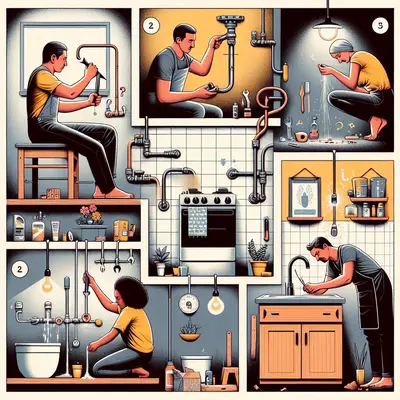
If you’ve been anywhere near social media this week, you’ve probably seen those “real estate listings from hell” making the rounds—photos of homes with moldy ceilings, chaotic wiring, mystery stains, and layouts that make you question reality. That viral list from Bored Panda about the worst property listings is hilarious until you realize: a lot of those disasters started as small, fixable problems that were ignored.
The good news? You don’t need a full renovation budget to avoid your place becoming the next viral horror listing. You just need to catch issues early and tackle them with simple, targeted repairs.
Below are five practical fixes—step‑by‑step—that address the exact types of problems that make homes look unsellable online. Handle these now, and your space will feel better to live in today and look far better in photos if you ever do list it.
---
1. Kill “Listing From Hell” Smells at the Source (Not With More Spray)
Bad smells are one of the fastest ways a home ends up on a “never buy” Reddit thread. Air freshener only hides the issue; buyers (and guests) will still notice.
Step‑by‑step:
- **Find the source, don’t guess.**
- Check: trash cans, sink drains, fridge, laundry, pet areas, shoes, and any damp corners.
- Follow your nose from room to room; isolate where the smell is strongest.
- **Deep‑clean trash zones.**
- Empty every bin.
- Wash the inside with hot water + dish soap, then spray with a 1:1 mix of white vinegar and water.
- Let it dry, then sprinkle a thin layer of baking soda at the bottom before the next bag goes in.
- **Flush stinky drains.**
- Pour ½ cup baking soda down the drain.
- Follow with 1 cup white vinegar; let it fizz for 10–15 minutes.
- Flush with a full kettle of boiling water.
- If smells persist, remove and clean the drain stopper—it often hides gunk and hair.
- **De‑funk the fridge.**
- Toss expired food.
- Remove shelves and drawers; wash with hot soapy water.
- Wipe interior with vinegar + water mix; dry thoroughly.
- Place an open box of baking soda in the fridge to absorb future odors.
- **Dry out hidden damp spots.**
- Check under sinks, behind toilets, and near windows.
- If you find dampness:
- Dry the area thoroughly with a towel.
- Use a fan or dehumidifier for a few hours.
- Note any recurring moisture—that’s a leak you need to fix (see section 2).
Fast social‑media‑ready tip:
“Smelly drain? Baking soda + vinegar + boiling water. Costs cents, fixes what candles can’t.”
---
2. Fix Small Leaks Before They Turn Into Moldy Ceiling Nightmares
Many of the worst listing photos show water stains, sagging ceilings, or black mold—typically the result of tiny, ignored leaks around sinks, toilets, or tubs.
Step‑by‑step:
- **Do a 10‑minute leak inspection.**
- Look under every sink: cabinets, back walls, and the bottom board.
- Check around toilets: base, water line, and shutoff valve.
- Inspect tub/shower edges and the ceiling below upstairs bathrooms (if you have one).
- **Tighten simple connections.**
- For minor drips where pipes join (P‑traps under sinks, flexible supply lines):
- Use an adjustable wrench to gently tighten the nut ¼ turn at a time.
- Don’t overtighten; if the drip stops, you’re done.
- **Replace a leaky supply line (sink or toilet).**
- Turn off the shutoff valve (clockwise).
- Flush or run water to relieve pressure.
- Unscrew the old flexible line at both ends (use a wrench if needed).
- Take it to a hardware store; buy the same length/type.
- Screw the new one on hand‑tight, then snug slightly with a wrench.
- Turn water back on and check for leaks after 5 and 30 minutes.
- **Seal tub and sink edges with fresh caulk.**
- Scrape off old, cracked caulk with a utility knife or caulk remover tool.
- Clean with rubbing alcohol; let it dry.
- Run a thin bead of waterproof bathroom caulk along the joint.
- Smooth with a damp finger or caulk tool.
- Let it cure per the tube (usually 24 hours) before getting it wet.
- **Treat a fresh water stain immediately.**
- First: confirm the leak is fully fixed.
- Let the stained area dry completely (use a fan if needed).
- Prime with a stain‑blocking primer.
- Once dry, paint to match the ceiling or wall.
When to call a pro:
If water is actively dripping from a ceiling, pooling on floors, or you see widespread black or fuzzy mold, pause DIY and bring in licensed help.
---
3. Tame “Wire Chaos” Before Your Room Ends Up in a Meme
Those viral “real estate from hell” shots with cables hanging everywhere? They make even a clean room feel unsafe and unfinished. The fix is cheap and mostly about organizing, not rewiring.
Step‑by‑step:
- **Unplug and reset.**
- Pick one area: TV, desk, or gaming corner.
- Unplug everything and lay the cables out so you can see what you’re working with.
- **Label each cord.**
- Use masking tape or pre‑made cord labels.
- Write the device name on each: “TV,” “Router,” “Lamp,” etc.
- This saves you from unplugging the wrong thing later.
- **Use a power strip with surge protection.**
- Avoid overloaded wall outlets with multiple cheap splitters.
- Choose a surge‑protected power bar with enough outlets + a few spare.
- Mount it under the desk or against the wall with its built‑in holes or adhesive strips.
- **Bundle and route cables.**
- Group cords going in the same direction with Velcro ties or reusable cable wraps.
- Run bundled cables along the back edge of furniture, not across open floor space.
- Use adhesive cable clips along walls or furniture to keep them in place.
- **Hide long runs.**
- For cords crossing a room or running down a wall, use a paintable cable raceway.
- Measure the run, cut the raceway to length, stick or screw it on, then snap the cover closed.
- Paint it the same color as the wall if you want it to disappear.
- **Elevate power strips off the floor (especially in basements).**
- Use screws or heavy‑duty adhesive mounting strips.
- This keeps them away from minor spills or moisture and looks more intentional in photos.
Quick shareable hack:
“Velcro cable ties + wall raceways = instant ‘not a fire hazard’ upgrade for under $30.”
---
4. Fix Scary Walls: Holes, Weird Paint, and “What Happened Here?” Marks
Nothing screams “run” in a listing like punched‑in drywall, random colors, and mystery smudges. Most of this is absolutely beginner‑level DIY.
Step‑by‑step:
- **Patch small nail and screw holes.**
- Wipe away dust.
- Press lightweight spackle into the hole with a putty knife or even a credit card.
- Scrape off excess so it’s flush.
- Once dry, lightly sand with fine‑grit sandpaper.
- Touch up with matching paint.
- **Repair a larger hole (up to about 4–5 inches).**
- Buy a self‑adhesive wall repair patch.
- Stick it centered over the hole.
- Cover with joint compound using a putty knife, feathering the edges outward.
- Let dry, sand smooth, add a second thin coat if needed, sand again.
- Prime, then paint.
- **Clean off grime and mystery marks before repainting.**
- Mix warm water with a few drops of dish soap.
- Wipe walls with a soft sponge; focus on switches, corners, and doorways.
- For stubborn marks, try a melamine sponge (test in a small spot first).
- **Neutralize chaotic color patches.**
- If you have one or two jarring walls, repainting just those makes a huge difference.
- Choose a neutral, light color (soft white, light gray, or beige).
- Use painter’s tape for clean edges.
- Roll in a “W” pattern to avoid roller marks.
- **Hide hairline cracks.**
- Lightly widen the crack with the tip of a utility knife so filler has something to grip.
- Fill with paintable acrylic caulk or joint compound.
- Smooth, let dry, then paint.
Result:
Rooms go from “crime scene energy” to “move‑in ready” in a weekend, with nothing more advanced than a putty knife and roller.
---
5. Make Weird Layouts and Tiny Rooms Look Intentional, Not Accidental
Many “real estate from hell” homes aren’t broken—they’re just badly arranged. Furniture and fixtures fight the room instead of working with it. Fixing that is a repair of function more than structure.
Step‑by‑step:
- **Clear one room completely (or as much as possible).**
- Remove everything you can: extra chairs, side tables, random storage bins.
- Start with the big pieces only: sofa, bed, main table.
- **Define a clear path.**
- Decide how someone should naturally walk through the room: door to window, door to sofa, etc.
- Keep that path at least 30 inches wide and free of obstacles.
- Slide furniture to respect this path.
- **Scale furniture to the space.**
- If a room feels cramped, remove just one oversized piece and see how it changes.
- Swap massive coffee tables for smaller ones, or use nesting tables.
- **Fix “floating clutter” by anchoring with rugs and lighting.**
- Use one appropriately sized rug (front legs of major furniture on it) to define the main zone.
- Add a single floor lamp or table lamp where people actually sit or read.
- Avoid multiple tiny rugs scattered around—they chop up small spaces.
- **Use quick‑install storage instead of random piles.**
- Wall hooks or over‑the‑door organizers for coats, bags, and towels.
- Floating shelves or simple bookcases for “stuff that ends up on the floor.”
- Baskets or bins on shelves to corral smaller items.
- **Stage like you’re taking listing photos, even if you’re not.**
- Clear flat surfaces: keep 1–3 useful or attractive items on each.
- Hide visible cleaning supplies, tools, and bulk packaging.
- Take a photo on your phone from the doorway—if it looks cluttered in the picture, edit until it doesn’t.
Why this matters:
Even if you never list your home, these layout “repairs” make daily living smoother and keep your place from ever ending up in a “what were they thinking?” slideshow.
---
Conclusion
Those viral “real estate listings from hell” are funny because they’re extreme—but they’re also a warning. Behind almost every nightmare photo is a simple repair that didn’t happen in time: a leak left to spread, cables left to tangle, stains never painted, layouts never reconsidered.
You don’t need a contractor to keep your home off that list. Start with:
- Killing smells at the source
- Fixing small leaks fast
- Getting cable chaos under control
- Repairing and repainting walls
- Making your layout look deliberate, not accidental
Pick one area today, fix it start‑to‑finish, and share your before/after. Your home will feel better now—and if it ever hits a real estate site, it’ll be for the right reasons.
Key Takeaway
The most important thing to remember from this article is that this information can change how you think about Household Repairs.