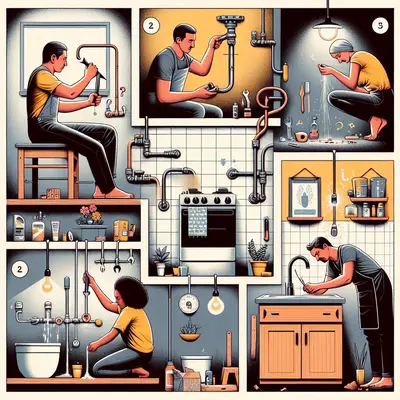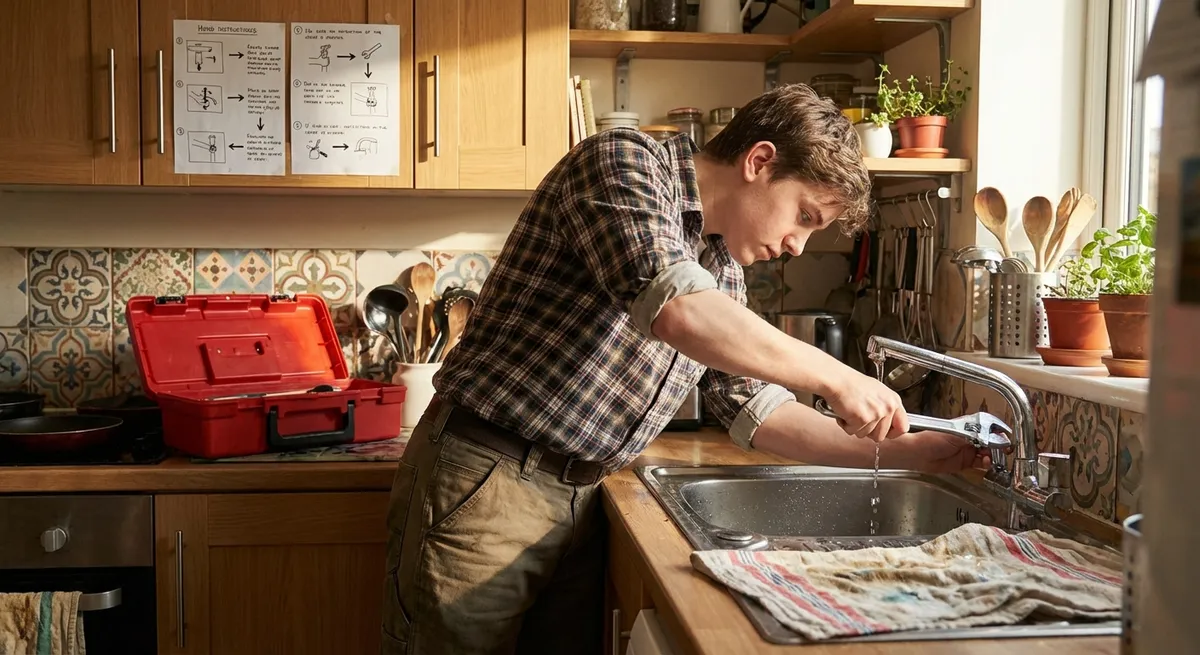
If you’re tired of waiting on a handyman, this is your shortcut to getting things done. These are everyday home problems that look intimidating, but are actually straightforward once you know the steps. No special skills, no expensive tools—just a clear plan.
Use this as a reference you can save, share, and come back to whenever something around the house decides to misbehave.
1. Quiet a Squeaky Door Hinge
A squeaky door isn’t just annoying—it’s usually a dry hinge begging for lubrication. Start by opening and closing the door a few times to pinpoint which hinge is making the noise. If you have spray lubricant (like silicone or a light machine oil), place a rag or paper towel under the hinge to catch drips. Spray or drip a small amount directly onto the hinge pin and the joints, then swing the door open and closed 10–15 times to work it in. No lubricant? In a pinch, rub a small amount of petroleum jelly or a bar of soap into the hinge. If the squeak persists, gently tap the hinge pin out with a screwdriver and hammer, wipe off dirt or rust, lightly oil it, then tap it back into place. Always wipe any excess so it doesn’t run down your door or frame.
2. Fix a Door That Won’t Latch Properly
When a door won’t latch, the problem is usually alignment—not the lock itself. First, close the door slowly and watch where the latch hits the strike plate (the metal piece on the frame). If it’s hitting above or below the opening, try tightening the hinge screws on the door and frame; loose hinges let the door sag. If screws spin without tightening, remove one at a time and replace with a longer screw so it grabs the stud behind the frame. Still off? Use a pencil to mark where the latch actually meets the strike plate. For small misalignments, you can file the opening in the strike plate a bit wider in the direction needed. For bigger gaps, remove the strike plate, fill the old screw holes with wood filler or toothpicks + wood glue, then reattach the strike plate slightly higher or lower so it lines up with your pencil mark. Test the latch before fully tightening the screws.
3. Clear a Slow-Draining Bathroom Sink Without Chemicals
A slow bathroom sink is almost always hair and soap gunk just below the drain. Start by removing items from under the sink and placing a small bucket or bowl under the trap (the U-shaped pipe). Before you go there, though, try the easy top-side fix: remove the drain stopper. Many stoppers lift straight out; others are held by a small lever under the sink—loosen the retaining nut on the back of the drain pipe and unhook the lever to free the stopper. Clean the stopper thoroughly; you’ll usually find a messy clump wrapped around it. Use a plastic drain snake or even a straightened wire hanger with a small hook to pull out any debris from the drain opening. Run hot water to flush remaining buildup. If it’s still slow, then move to the trap: loosen the two slip nuts by hand or with pliers, remove the trap, and dump any sludge into the bucket. Rinse the trap in a different sink or outdoors, reassemble everything, tighten by hand (don’t overtighten), then run water and check for leaks.
4. Stop a Running Toilet (Without Replacing Everything)
A constantly running toilet usually means the tank parts need a simple adjustment, not a full replacement. Remove the tank lid and set it carefully on a towel. First, look at the flapper—the rubber piece at the bottom of the tank. Flush once and watch what happens: if the flapper doesn’t seal fully when the water refills, that’s your issue. Make sure the chain attached to the flapper isn’t too tight; there should be a little slack when the flapper is closed. If the chain is too short, move it to a different link so it doesn’t hold the flapper open. Run your finger around the flapper and the seat it rests on to clear any grit that might break the seal. If the flapper is warped, brittle, or coated in buildup, swap it for a matching universal flapper from a hardware store—installation is usually just unhooking the old one and clipping the new one in. If the water level is too high and spilling into the overflow tube, adjust the float: turn the adjustment screw (on older ball floats) or slide the clip (on modern vertical floats) so the water stops about an inch below the top of the overflow tube.
5. Secure a Loose Towel Bar or Toilet Paper Holder
A wobbly towel bar or TP holder looks small but can rip out of the wall if ignored. First, gently pull it off the wall to see how it’s attached—most have small hidden screws underneath or on the side; loosen these to remove the bar and end brackets. Check the mounting brackets attached to the wall. If they’re loose but the drywall isn’t damaged, tighten the screws. If the screws spin without gripping, remove them and inspect the holes. For small, worn-out holes in drywall, use plastic drywall anchors: tap the anchor in gently, then drive the screw into the anchor. For bigger damaged areas, use a patch kit or move the bracket slightly up or down into solid drywall and drill new pilot holes. If you can, align at least one screw into a wall stud (use a stud finder or tap to listen for solid backing). Reattach the decorative brackets to the mounting plates, tighten the tiny set screws, and test by pressing down firmly to make sure it doesn’t move.
Conclusion
Most “call someone” problems at home are really “follow-the-steps” problems. With a few basic tools, a bit of patience, and instructions like these, you can solve a surprising number of issues on your own. Save this guide, share it with someone who just moved into a new place, and the next time something rattles, drips, or wobbles, you’ll know exactly where to start instead of reaching for your phone.
Key Takeaway
The most important thing to remember from this article is that this information can change how you think about Household Repairs.