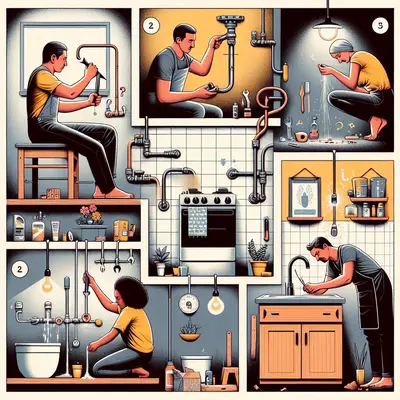
Old houses are having a moment online again. Viral photo threads of century‑old homes with original moldings, built‑ins, and stained glass (like the recent “beautiful old houses” gallery doing the rounds) have everyone dreaming of high ceilings and creaky floors—in a good way. But anyone who actually lives in one of these charmers knows: behind every ornate doorframe, there’s usually a draft, a leak, or a mystery crack waiting for you.
If those stunning photos have you eyeing your own older place—or you’ve just moved into one—this is for you. Let’s turn that romantic “vintage” aesthetic into a home that actually works day to day.
Below are five very common old‑house problems and how to fix them with practical, step‑by‑step repairs you can tackle yourself (or at least diagnose before calling in help).
---
1. Drafty Windows That Kill Your Heating (Without Replacing Them)
Those tall sash windows look amazing in photos, but they can leak heat like crazy—something many owners of pre‑war homes are rediscovering right now as energy prices stay stubbornly high.
Goal: Cut drafts and heat loss without ripping out the original frames.
You’ll need:
- Utility knife
- Painter’s tape
- Caulk (paintable, for interior; exterior-grade for outside)
- Weatherstripping tape or V‑strip
- Rope caulk or removable window insulation film (optional)
Steps:
- **Find the leaks.**
On a windy day or with your HVAC running, move your hand around the window edges, sash meeting points, and trim. Feel cold air? That’s your target.
- **Seal obvious gaps around the trim.**
- Run a bead of paintable caulk where the interior trim meets the wall and window frame.
- Smooth it with a damp finger or caulk tool.
- On the exterior, use exterior-grade caulk around the frame if you see visible cracks.
- **Add weatherstripping where the sashes meet.**
- Clean the surfaces where the sashes slide and meet.
- Apply V‑strip or adhesive weatherstripping along the sides and top where you feel air movement.
- Close the window and check that it still operates smoothly.
- **Use rope caulk for seasonal gaps.**
- Press rope caulk into any larger gaps between the sash and frame.
- This is removable in spring, so it’s good if you still want to open windows in warm seasons.
- **Insulate glass temporarily if needed.**
- For especially cold climates, apply clear window insulation film: stick the double‑sided tape to the trim, apply the film, then shrink it with a hairdryer.
- It’s not pretty up close, but it’s nearly invisible from a distance and very effective.
When to call a pro: If the sash is loose, rotting, or not closing square, you may need sash repair or weatherstripping upgrades from a window specialist rather than full replacement.
---
2. Sloping, Creaky Floors That Make Furniture Wobble
Those polished old floorboards featured in photo series of historic homes? In real life, they often dip, slope, and protest every step. Some sloping is normal in older houses, but you can make it far more livable.
Goal: Reduce noise and wobble, and spot issues that might signal a structural problem.
You’ll need:
- Carpenter’s level
- Wood screws
- Drill/driver
- Construction adhesive (for subfloor repairs)
- Shims (plastic or composite recommended)
- Area rugs and rug pads
Steps:
- **Check if the slope is new or old.**
- Place a level in several directions across the floor.
- If carpets have just come up or you’ve just moved in, minor slopes are often long‑standing and stable. Sudden or worsening movement is more serious.
- **Tighten squeaks from above.**
- Walk the floor and mark squeaky spots with painter’s tape.
- Drive wood screws through the flooring and into joists where possible (for hardwood, use trim-head screws and pre‑drill).
- For squeaky subfloors under carpet, use special “squeak repair” screw kits that snap off below the surface.
- **Glue loose subfloor from below (if accessible).**
- In an unfinished basement, have someone walk the squeaky area as you watch from below.
- Apply construction adhesive along the joint between joist and subfloor where movement occurs.
- Add a few screws up through the joist into the subfloor to pull it tight.
- **Stabilize furniture on sloped areas.**
- Use composite shims or adjustable furniture levelers on table/sofa legs.
- Add thick rug pads under area rugs to visually hide minor slopes and dampen sound.
- **Monitor cracks and doors.**
- If doors suddenly stick, cracks appear or widen quickly, or slopes worsen, document with photos and dates.
- Any fast change means it’s time for a structural evaluation.
When to call a pro: Noticeable new sagging, cracks in foundation walls, or joists that are visibly cracked or undersized need a structural engineer or experienced contractor, not DIY.
---
3. Cracked Plaster Walls That Rain Dust
Those butter‑smooth plaster walls you see in showcase photos often hide a less‑Instagrammable reality: hairline cracks, old patch jobs, and chunks that flake if you look at them wrong.
Goal: Stabilize and blend cracked plaster without tearing everything down to the studs.
You’ll need:
- Vacuum with brush attachment
- Plaster repair adhesive or “plaster washers”
- Joint compound or setting‑type compound
- Putty knife (4"–6")
- Sanding sponge (fine/medium)
- Primer and paint
Steps:
- **Identify the crack type.**
- Hairline, non‑moving cracks are common and mostly cosmetic.
- Wider cracks (over ~1/8") or ones that keep reopening may indicate movement and need more serious attention.
- **Clean the area.**
- Use a vacuum brush to remove loose dust and debris from the crack.
- Gently widen hairline cracks just a bit with the corner of a putty knife so compound can actually get inside.
- **Reattach loose plaster.**
- If tapping the wall sounds hollow or sections move when pressed, the plaster may be pulling away from the lath.
- Use plaster repair adhesive systems (available at hardware stores) or plaster washers and screws to pull the plaster back tight to the lath following the product instructions.
- **Fill the crack in layers.**
- Apply a thin coat of joint or setting‑type compound, pressing it firmly into the crack.
- Let it dry, then add one or two more thin coats, feathering the edges wider each time.
- **Sand and prime.**
- Lightly sand the area until smooth, taking care not to dig into surrounding plaster.
- Prime with a quality primer before repainting; this helps blend old and new material and prevents flashing.
When to call a pro: If cracks run diagonally from window/door corners, or you see stair‑step cracks in masonry, get a structural check. Cosmetic fixes won’t hold if the house is still moving.
---
4. Old Plumbing That Leaves You With Low Water Pressure
Many older homes still have a mix of old galvanized pipes and newer copper or PEX. That “historic charm” doesn’t feel so charming when your shower is a sad drizzle.
Goal: Improve water pressure safely and cheaply before considering major repiping.
You’ll need:
- Adjustable wrench
- White vinegar
- Bucket
- Plumber’s tape (Teflon tape)
- Replacement showerhead/aerators (if needed)
Steps:
- **Test the whole system.**
- Check pressure at multiple fixtures: kitchen sink, bathroom sink, shower.
- If low pressure is only at *one* fixture, it’s probably a local clog. If it’s everywhere, you may have a bigger supply issue.
- **Clean faucet aerators.**
- Unscrew the aerator from each faucet spout.
- Soak in white vinegar for 30–60 minutes to dissolve mineral deposits.
- Rinse, reassemble, and reinstall with plumber’s tape if needed to prevent leaks.
- **Refresh or replace the showerhead.**
- Remove the old showerhead with a wrench (protect the finish with a rag).
- Soak in vinegar and scrub deposits, or upgrade to an efficient modern head designed for good flow at lower pressure.
- Wrap the shower arm threads with plumber’s tape and reinstall.
- **Check for partially closed valves.**
- Locate your main shutoff and any branch valves (often near the water meter or where lines branch to bathrooms).
- Make sure they’re fully open; older valves can get bumped or stuck halfway.
- **Watch for rust and discoloration.**
- Brownish water or particles can indicate corroding galvanized pipes, common in older homes.
- If pressure briefly improves, then drops again, internal pipe corrosion may be the culprit.
When to call a pro: If multiple fixtures suffer, pipes are visibly rusted, or you’re still on old galvanized lines, a plumber can measure actual pressure and talk repipe options. DIY can’t fix pipes that are closing up from the inside.
---
5. Peeling Paint and Mystery Stains On Ceilings
In all those dreamy house photos, ceilings look flawless. In real life, older homes often have peeling paint, yellow stains, or bubbling patches—especially near bathrooms and chimneys.
Goal: Fix cosmetic damage after you make sure you’re not covering up an active leak or moisture problem.
You’ll need:
- Step ladder
- Scraper or putty knife
- Stain‑blocking primer (shellac or oil‑based works best)
- Joint compound (optional for smoothing)
- Sanding sponge
- Ceiling paint
Steps:
- **Rule out an active leak.**
- Check above the stain: bathrooms, roofs, chimneys, or plumbing lines.
- Look for dampness, soft drywall, or recent drips—especially after rain or showers.
- If it feels wet or changes size after storms, fix the leak first.
- **Scrape loose material.**
- Use a scraper to remove all flaking or peeling paint around the damaged area.
- Don’t just skim—the goal is to reach solid, well‑bonded paint or bare surface.
- **Smooth the edges.**
- If the peeled area leaves a ridge, apply a thin layer of joint compound to feather the edge.
- Let dry fully, then sand smooth.
- **Prime with a stain blocker.**
- Water stains will bleed through regular primer and paint. Use a dedicated stain‑blocking primer.
- Apply at least one solid coat; for heavy stains, two thinner coats are better than one thick one.
- **Repaint the ceiling section.**
- Use the same sheen and color as the rest of the ceiling (usually flat white).
- To avoid visible “patches,” roll a slightly larger area than the repair, blending into the surrounding paint.
When to call a pro: If stains keep reappearing, you smell mustiness, or find soft/spongey drywall, you may have hidden mold or a slow leak that needs professional investigation.
---
Conclusion
The current wave of viral “beautiful old houses” reminds everyone how much craftsmanship and character can be hiding in plain sight. But photos don’t show the drafty windows, sloping floors, cracked plaster, tired plumbing, and stained ceilings that come with that history.
You don’t have to gut your house or give up on the charm to make it livable. By tackling these five common problems methodically—seal drafts, quiet floors, stabilize plaster, clean up old plumbing, and repair ceiling damage—you can keep the soul of an older home while upgrading how it feels to actually live there.
Use the online inspiration for what it is: motivation. Then grab your tools and make your own place the “after” photo.
Key Takeaway
The most important thing to remember from this article is that following these steps can lead to great results.