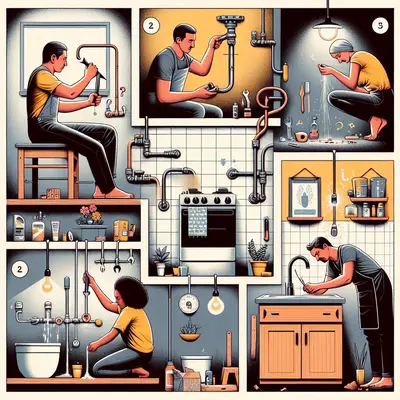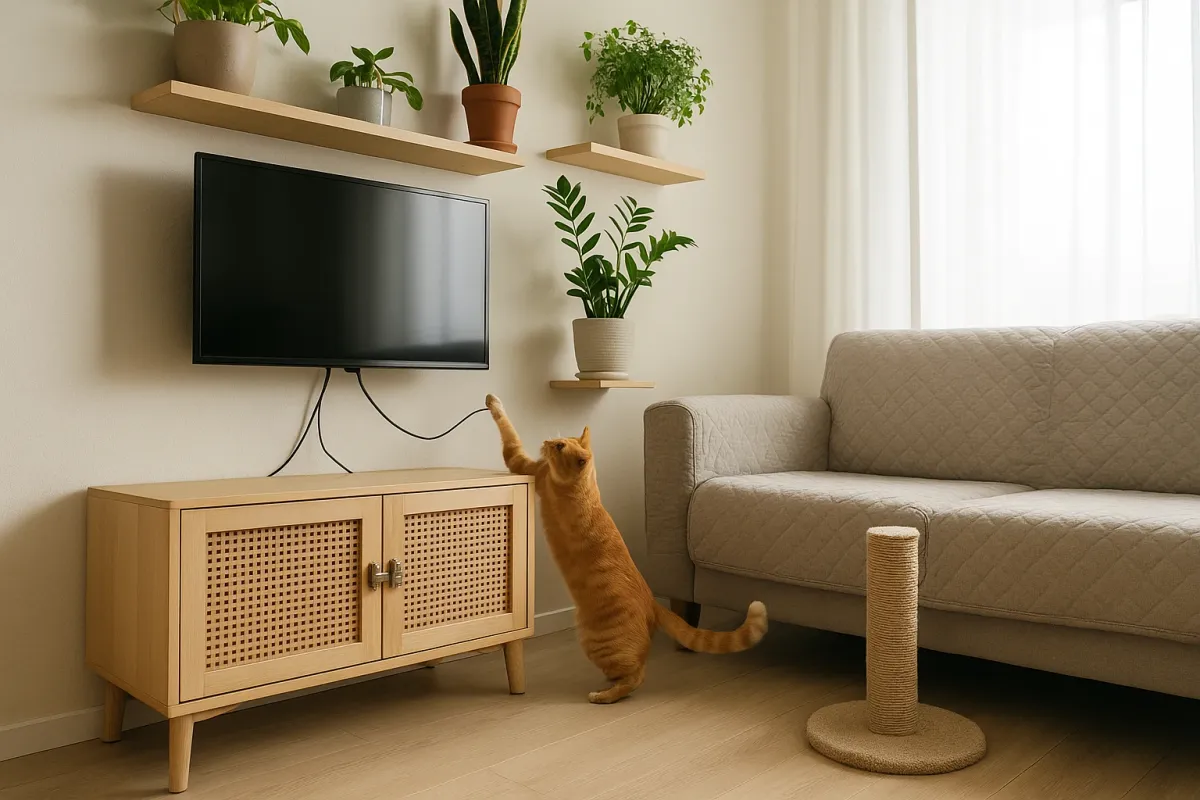
If your feed is full of people posting their cats’ “first Christmas” or sharing photos in the “What’s wrong with my cat?” groups, you already know: cats are adorable chaos machines. Those same viral cats that knock trees over, dive into blinds, and launch off TV stands are a perfect reminder that your home is probably not as pet‑proof as you think.
With more people rescuing pets than ever—those wholesome adoption photos are everywhere—basic household repairs are quietly turning into “how do I stop my cat from destroying this… again?” projects. The good news: you don’t need a full remodel. You just need to fix a few weak points so your home survives your cat’s parkour career.
Below are five practical, DIY‑friendly repairs to protect both your home and your feline.
---
1. Secure Wobbly Furniture Before Your Cat Turns It Into A Climbing Wall
Cats see every tall object as a challenge. Those “first Christmas” pictures of cats halfway up the tree? Same energy when they spot your bookcase or dresser.
What to fix: Anything tall and tippy—bookcases, dressers, TV stands, freestanding shelves.
How to do it:
- **Test for wobble.** Lightly pull from the top corner of each piece. If it rocks, it needs anchoring.
- **Buy furniture anchors.** Look for anti‑tip straps or L‑brackets (metal or heavy‑duty nylon straps) rated for furniture.
- **Find the studs.** Use a stud finder on the wall behind the furniture. Mark the center of each stud at the height of the anchor.
- **Attach to furniture.** Screw one end of each anchor to the solid frame at the top back of the furniture (not just thin backing).
- **Attach to wall.** Screw the other end directly into a wall stud using the provided hardware. If you absolutely must use drywall anchors, pick heavy‑duty ones and never for very heavy pieces.
- **Test again.** Gently pull from the top. Your goal: it moves maybe an inch on the strap, but will not tip.
Why it matters: This single repair prevents crushed TVs, shattered decor, and—more importantly—serious injuries if your cat launches off a tall piece at full speed.
---
2. Save Your Blinds And Cords Before Your Cat “Fixes” Them For You
Those viral “cat in the blinds” photos are cute online, but in real life they turn into snapped slats, twisted cords, and potential choking hazards.
What to fix: Dangling blind cords, low‑hanging strings, and fragile vinyl/plastic blinds.
How to do it:
- **Shorten the cords.**
- Fully lower the blinds.
- Tie a new knot higher up so the pull tassel sits just above the cat’s reach.
- Trim excess cord and melt the tips (with a lighter) to stop fraying—do this carefully and quickly.
- **Install cord cleats.**
- Screw a small cleat into the wall or window frame, at least 5 feet up.
- Wrap cords around it after each use so nothing dangles.
- **Repair bent or broken slats.**
- For small bends in aluminum slats: gently pinch and smooth using a butter knife wrapped in a soft cloth.
- For broken individual slats: many blinds let you slide out a damaged slat from the bottom, move an intact slat up, and discard the worst one. Finish by re‑threading the bottom rail.
- **Consider swapping materials.**
- If your cat *always* attacks blinds, replace them with:
- Fabric roller shades (no slats to bend)
- Cordless cellular shades (no cords to chew)
- Curtains hung higher with sturdy rods and strong brackets
Why it matters: This small repair not only stops the daily tangle but also removes a real strangulation risk—especially in homes with both pets and kids.
---
3. Repair & Protect Scratched Doors, Trim, And Corners
Those photos of “malfunctioning cats” climbing door frames? Funny online, expensive in your own hallway. Claw marks on corners, doors, and trim are extremely common—especially with energetic rescues settling in.
What to fix: Scratched door edges, chewed or clawed baseboards, and gouged wall corners.
How to do it:
- **Gently sand the damage.**
- Use 120–150 grit sandpaper to smooth raised fibers and splinters.
- Wipe away dust with a damp cloth.
- **Fill deep gouges.**
- For painted wood: use wood filler; press it into the scratches with a putty knife.
- For stained wood: use stainable wood filler or wax repair sticks that match the color.
- Let it dry fully, then lightly sand smooth.
- **Touch up paint or stain.**
- For painted trim: apply primer on bare wood/filler, then paint with matching semi‑gloss or gloss.
- For stained: apply matching stain with a small brush or cloth, let sit, then wipe and seal with clear polyurethane.
- **Add physical protection in high‑hit zones.**
- For corners: install clear plastic corner guards or metal corner beads and repaint.
- For frequently scratched doors: apply a clear adhesive film or a thin sheet of acrylic screwed to the lower section of the door.
- **Create a legal scratching outlet.**
- Mount scratch pads near the damaged area (door‑side vertical scratch pads work well).
- Rub catnip or use a pheromone spray to redirect them to the new, “allowed” surface.
Why it matters: Repairing and protecting these spots keeps your trim from disintegrating and makes it much easier to repaint or resell later—without turning every room into a patch‑job.
---
4. Shield Cables, Chargers, And Electronics From Cat Teeth And Paws
With more people working from home and more pets around (shelter stats show millions of cats cycling through rescues each year), your home office is now a chew toy buffet unless you fix your cable situation.
What to fix: Phone chargers, laptop cables, TV cords, extension leads, and power strips—especially any on or near the floor.
How to do it:
- **Inspect everything.**
- Unplug each cord and look closely for tooth marks, exposed wires, or melted spots.
- Toss anything with exposed metal—don’t tape over it and hope.
- **Route cables up and away.**
- Use adhesive cable clips or raceways along walls, desk backs, or under shelves.
- Keep cables off the floor and out of reach wherever practical.
- **Add chew protection.**
- Slide cords through split cable looms or spiral wrap.
- For high‑risk chewers, use rigid PVC or metal conduit for long, exposed runs (e.g., behind TV furniture).
- **Secure power strips.**
- Mount surge protectors vertically on a wall or the back of furniture with screws or strong double‑sided tape.
- Make sure outlets face away from easy access.
- **Repair minor outer damage only.**
- If the inner wiring is intact and only outer insulation is scuffed, you can:
- Wrap the area with self‑fusing silicone tape (not regular electrical tape) overlapping tightly.
- Then cover with a cable sleeve.
- When in doubt, replace. Cables are cheaper than vet bills and fire damage.
- **Give your cat a better job.**
- Offer acceptable chew toys or textured items, and keep playtime regular. A tired cat is less likely to “redecorate” your power setup.
Why it matters: This repair is about more than saving chargers. It dramatically lowers your fire risk and protects your cat from painful shocks or burns.
---
5. Patch Tiny Wall Disasters (From Zoomies, Litter Boxes, And Cat Trees)
If you’ve seen those “unexpected things people found” posts—holes behind furniture, mystery scratches—you already know: walls take quiet damage over time. Cats sprinting, pushing heavy litter boxes, or knocking cat trees into drywall can leave dents and dings you don’t notice until it’s too late.
What to fix: Small holes from anchors and screws, chips near the litter area, and dents where cat trees or shelves hit the wall.
How to do it:
- **Clean the damaged area.**
- Wipe with a damp cloth to remove dust and loose paint.
- Let dry completely.
- **Fill nail and screw holes.**
- Use lightweight spackle for small holes (smaller than a pencil eraser).
- Apply with a putty knife, press in, scrape flat so it’s level with the wall.
- Let dry per product directions.
- **Fix small dents and chips.**
- For deeper dents (up to a quarter‑sized area):
- Lightly scratch around the edges with a utility knife so the filler can bond.
- Apply joint compound or spackle in thin layers, letting each dry before adding another.
- Sand smooth with fine‑grit sandpaper.
- **Prime before painting.**
- Spot‑prime repaired areas to prevent flashing (shiny, obvious patches).
- Use the original wall paint if you have it; otherwise bring a flake to a paint store for matching.
- **Add protection where damage keeps happening.**
- Behind litter boxes: install a small sheet of PVC paneling or washable backsplash tile on the lower wall.
- Behind cat trees: stick on a removable, clear wall protector or mount a simple plywood backer, painted to match your wall.
- At baseboards: add a thin vinyl floor transition strip where scratching or water splashes hit.
Why it matters: Fast, clean wall repairs prevent small damage from turning into full‑panel replacements, and protective add‑ons keep your walls from becoming your cat’s next “project.”
---
Conclusion
The same internet that’s obsessed with malfunctioning cats, rescue glow‑ups, and first‑Christmas chaos is quietly teaching a lesson: pets don’t just live in your home—they stress‑test it daily.
You don’t need to bubble‑wrap your place to keep up. Focus on the vulnerable spots: unstable furniture, tempting cords, flimsy blinds, soft corners, and already‑damaged walls. Tackle each with simple, step‑by‑step fixes and a few smart protectors.
Do that, and you get the best of both worlds: a home that holds up under daily feline parkour—and a cat that can keep starring in your feed without quietly destroying everything in the background.
Key Takeaway
The most important thing to remember from this article is that following these steps can lead to great results.