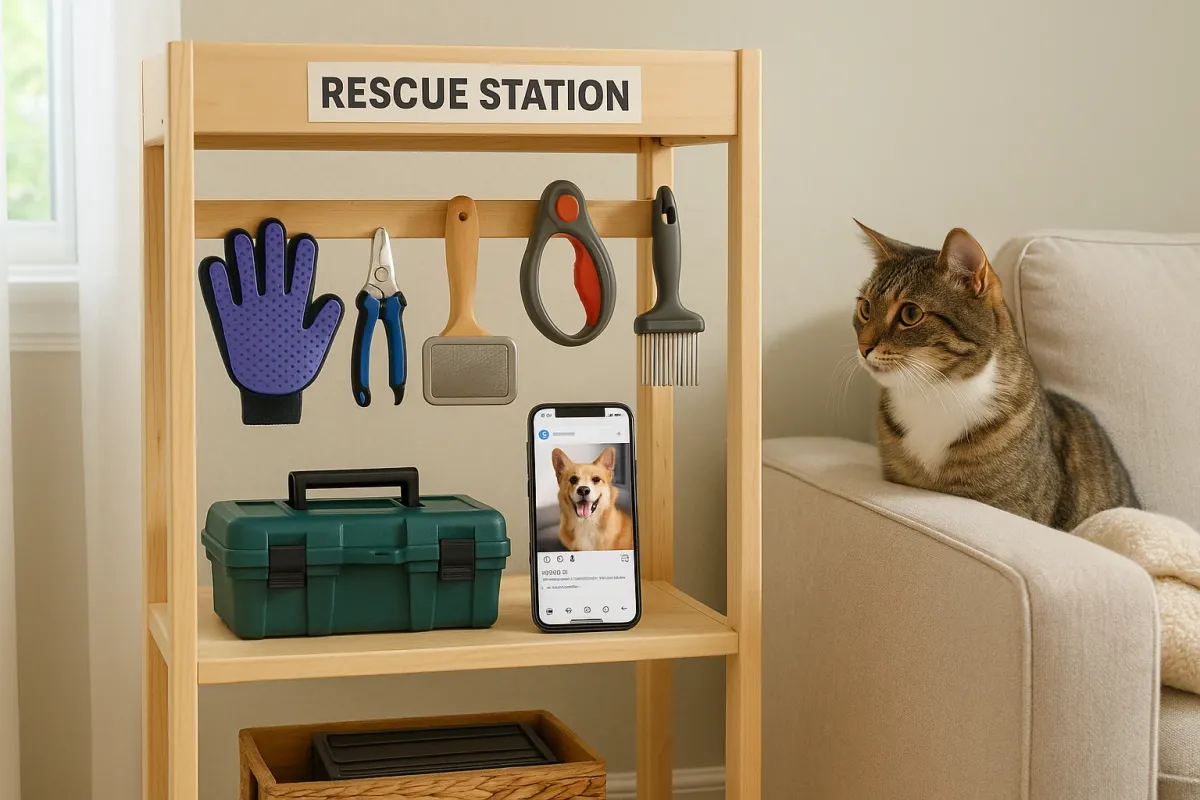
The December wave of wholesome rescue pet photos flooding social media isn’t just heart‑warming—it’s a massive reminder that thousands of people are bringing shelter animals into real, imperfect homes right now. Those smiling “gotcha day” pictures rarely show what happens 10 minutes later: the cat disappearing under the fridge, the dog chewing a doorframe, or the litter box smell taking over a tiny apartment.
If you’ve just adopted (or are about to) and your home isn’t exactly pet‑ready, you don’t need a full renovation. You need a fast, practical “rescue station” setup: a handful of targeted DIY fixes that make your place safer, cleaner, and easier to live in—for you and your new friend.
Below are five straightforward DIY solutions you can knock out in a weekend, inspired by the real‑world chaos happening behind those viral rescue photos.
---
Create a “Safe Room” Your New Pet Won’t Destroy
A lot of the rescue pet photos trending right now show animals looking calm and cozy—but that’s usually after someone did some setup. Shelter pets often arrive stressed, over‑stimulated, and ready to hide or bolt. A dedicated “safe room” helps them decompress and saves the rest of your home from damage.
Step‑by‑step:
**Pick the right room**
Choose a small, quiet space with a door that closes: a spare bedroom, office, or even a sectioned‑off corner of your living room using a sturdy pet gate.
**Block obvious escape and hazard zones**
- Stuff towels or foam pipe insulation under gaps in doors. - Use painter’s tape and cardboard to block access behind heavy appliances (fridge, washer, dryer). - Cover or tape down loose cords temporarily.
**Protect your floors quickly**
- For hard floors: lay down a washable rug or old towels under food and water bowls. - For carpet: use a cheap vinyl tablecloth (plastic side up) under litter boxes, crates, or beds—easy to wipe, protects from accidents.
**Add basic comfort items**
- A box or crate with a blanket (think “den,” not wide‑open space). - Water bowl and food bowl on a stable, non‑slip surface. - For cats: a simple cardboard box on its side becomes an instant hideout.
**Make it “escape‑proof” when guests visit**
- Put a simple handwritten sign on the door: “New rescue resting—please keep closed.” - If you don’t have a door, use a pressure‑mounted gate and cover it with a sheet for a visual barrier.
This setup mimics what many shelters and foster homes use behind the scenes in those viral adoption pictures—and it gives your pet a calm landing zone instead of full‑home chaos.
---
Build a No‑Tools Scratching & Chewing Redirect Station
Scroll through any rescue pet thread and you’ll see it: new owners posting shredded couches or gnawed baseboards. Instead of trying to “discipline” a stressed animal, give them clear, easy alternatives right where they’re tempted to destroy.
Step‑by‑step:
**Identify the hot zones**
Walk your home and note: couch corners, table legs, doorframes, and the edges of rugs. These are usually the first targets for bored or anxious pets.
**Create a cat scratch station with what you have**
- Wrap a sturdy cardboard shipping box tightly with sisal rope, jute twine, or even an old rough towel. - Secure the ends with zip ties or strong packing tape. - Place it *directly* in front of the area your cat is scratching (e.g., in front of a couch arm). Cats go for what’s easiest and closest.
**Set up a dog chew “drop zone”**
- Grab a small basket or bin and fill it with 3–4 safe chew toys (rubber, rope, or sturdy nylon—skip brittle plastics). - Put it near the most‑chewed spot (that one doorframe, that one table leg). - Any time your dog mouths the furniture, calmly redirect: remove the item from their mouth, present the chew toy, praise when they use it.
**Protect furniture legs quickly and cheaply**
- Wrap vulnerable legs with an old towel and secure with rubber bands or Velcro straps. - For cats, loosely wrap with aluminum foil or double‑sided tape for a few weeks—most hate the texture and sound. - Once they consistently use the scratch station, you can remove the temporary covers.
**Reward the behavior you want**
Keep a container of small treats in the same room. Every time your pet uses the scratcher or chew toy *on their own*, mark it with a “yes” or “good” and give a treat. This turns your DIY station into the more rewarding option than your furniture.
This is the same principle behind what many viral “before and after” rescue transformations don’t show: lots of quiet redirection and smart placement of scratchers and chews.
---
Fast, Low‑Smell Litter and Potty Zone That Actually Works
Those perfect Instagram rescue cat photos never show the litter box, and the “first walk” dog shots never show the accidents in the hallway. If you’re in a rental or small space, odor control and cleanup speed matter.
Step‑by‑step:
**Pick a smart location first, not last**
- For cats: choose a low‑traffic corner, away from loud appliances, with a clear path from their safe room. - For dogs: pick one consistent outdoor spot and one indoor backup spot (pee pads or turf) if needed.
**Protect the floor in 30 seconds**
- Lay down a cheap boot tray, old yoga mat, or cut‑up vinyl tablecloth under litter boxes or training pads. - Extend it 12–18 inches beyond the box or pad edge to catch scatter and drips.
**Contain litter scatter with a simple DIY mat**
- Take an old doormat or thin rug and place it right in front of the box entrance. - If you have a scrap of rubber shelf liner, tape it to the top of the mat—this helps knock litter off paws.
**Set a “2‑minute clean” routine**
Keep everything you need in a small caddy or bucket: - Litter scoop - Small trash bags - Paper towels or dedicated cloths - Pet‑safe enzyme cleaner Leave it within arm’s reach of the box or potty zone. Scoop or spot‑clean once in the morning and once at night—set a timer, keep it under 2 minutes so you’ll actually do it.
**Fight odor at the source, not with candles**
- Sprinkle a thin layer of baking soda under the litter, not on top (many cats hate scent changes on the surface). - For dog accidents, always saturate the spot with enzyme cleaner and let it fully air dry—this breaks down the smell so they’re less likely to re‑mark. - Crack a window for 10 minutes after cleaning if possible.
This kind of setup is exactly how foster homes manage multiple rescue animals in small apartments without their space smelling like a kennel.
---
Quick DIY Barriers To Protect Cables, Plants, and “Forbidden Zones”
Those adorable rescue pet photos with perfectly decorated living rooms hide a truth: a lot of adopters quietly build barriers and hacks just out of the frame. You can do the same, fast and cheap, before something gets chewed or knocked over.
Step‑by‑step:
**Bundle and hide cords in 10 minutes**
- Unplug devices, bundle cords with Velcro ties or twist ties. - Slide them into a cardboard paper towel tube or split pool noodle for a temporary protective cover. - Push the bundle tight against the wall or behind furniture so it’s out of reach.
**Create a no‑cats plant shelf without drilling**
- Use a tension rod in a window frame or between two solid surfaces. - Place a narrow board (or sturdy baking cooling rack) on top to create a small shelf. - Put your plants out of jumping distance—especially anything toxic like lilies, pothos, philodendron.
**Block dangerous gaps and “fall zones”**
- For stair rails or balcony railings with wide gaps, cut cardboard or coroplast (yard sign plastic) panels and zip‑tie them in place as a temporary guard. - For under‑sofa gaps, roll up towels or pool noodles and wedge them along the bottom edge.
**Build a quick “no‑pet” corner**
- Grab two tension‑mounted baby gates or pet gates and form an L‑shape in a room corner to create a fenced‑off zone for electronics, trash, or delicate decor. - Cover the gate with a sheet or towel if visual barriers help calm your pet.
**Protect trash without buying a new can**
- If your trash can doesn’t have a locking lid, loop a reusable strap, belt, or short bungee cord over the top and hook it to the handle or a cabinet knob. - For cats, place a heavy book or a small brick in the base of a lightweight can to make tipping harder.
These are the same kinds of simple hacks foster homes and shelters use every day—even if they never make the highlight reel on social.
---
Set Up a 5‑Minute Daily “Damage Control” Routine
Rescue pet accounts often show dramatic “then and now” photos—but that “now” usually comes from consistent, tiny daily habits, not one big weekend makeover. A simple 5‑minute routine can prevent most of the expensive repairs later.
Step‑by‑step:
**Pick one fixed time every day**
Tie it to something you already do: after morning coffee, before bed, or right after you get home from work.
**Do a fast “surface scan” of your main room**
- Look for fresh scratches, chewed spots, overturned plants, or accident stains. - Don’t get overwhelmed—your only job is to notice and deal with *today’s* damage.
**Repair small issues before they spread**
- **Scratched wood:** Smooth lightly with a fine sanding sponge, then rub with a matching wood repair marker or a bit of olive oil and coffee grounds on dark wood. - **Loose fabric threads:** Trim fraying upholstery or rug threads to stop unraveling—don’t pull them. - **Fresh stains:** Blot (never rub) with paper towels, then apply pet‑safe enzyme cleaner.
**Reset the “rescue station” areas**
- Scoop litter, empty the small trash, refresh water, toss chewed‑through toys. - Check barriers (gates, cardboard blocks, towel rolls) and re‑secure anything loose.
**End with 2 minutes of play or calm contact**
- Short flirt‑pole play for dogs or wand‑toy play for cats helps burn energy in a controlled way. - Calm petting or brushing in their safe room can reduce anxiety that leads to destructive behavior.
By the end of a month, this tiny daily habit adds up to less repair work and a home that looks a lot closer to those polished “after adoption” photos—without the filter.
---
Conclusion
The wave of December rescue pet photos is a feel‑good trend, but behind every wholesome snapshot is a human quietly fixing, blocking, wiping, and adjusting their space so a scared animal can become a confident family member. You don’t need perfect furniture or a big budget to do the same; you just need a few smart, DIY‑friendly systems in place.
Set up a safe room, give your pet clear scratch and chew alternatives, control the litter and potty zones, protect the most vulnerable parts of your home, and stick to a quick daily damage‑control routine. Those simple steps turn a “what have I done to my apartment?” situation into a realistic, sustainable rescue success story you’ll actually want to share.
Key Takeaway
The most important thing to remember from this article is that this information can change how you think about DIY Solutions.